
Summer Gardening Secrets: Grow More, Stress Less
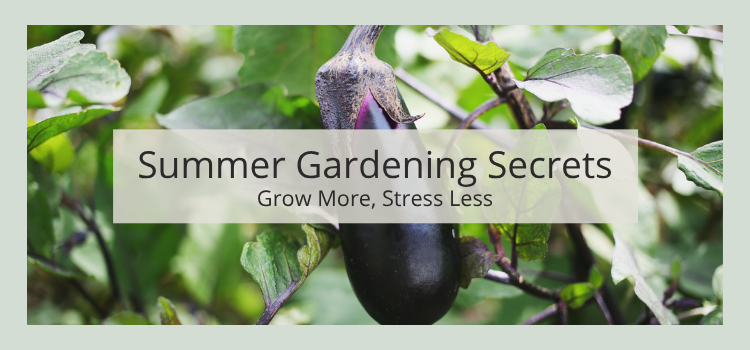
Summer gardening doesn’t have to mean droopy leaves, endless watering, and constant troubleshooting. With a few intentional strategies, you can keep your garden thriving—even in the heat—and make the process more enjoyable. Here’s how to grow smarter, not harder, when the temperatures rise.
1. Choose Plants That Love the Heat
The real secret? Grow what wants to grow. When your region regularly hits 90°F or higher, cool-season crops like lettuce and spinach will struggle. Instead, lean into heat-loving varieties that thrive in summer’s intensity:
- Vegetables: Okra, eggplant, sweet potatoes, peppers
- Herbs: Basil, oregano, lemongrass
- Flowers: Zinnias, marigolds, sunflowers (great for pollinators too!)
Tip: Check with your local extension office or nursery for plant recommendations tailored to your microclimate.
2. Keep the Harvest Going with Succession Planting
Don’t let empty garden beds sit idle. As soon as one crop finishes, plant another to keep your garden productive and weed-free.
Try these swaps:
- Replace bolted lettuce with bush beans
- Follow early carrots with heat-tolerant herbs
- Stagger plantings of the same crop every 2–3 weeks for a continuous harvest
This rhythm keeps your garden dynamic and your kitchen stocked.
3. Water Deeply and Efficiently
Forget the daily sprinkle. Deep watering less often encourages stronger root systems and healthier plants.
- Water early in the morning to reduce evaporation and fungal risk
- Use drip irrigation or soaker hoses beneath mulch for maximum efficiency
- Group plants with similar water needs to simplify your routine
Smart watering = less stress and better results.
4. Keep It Clean and Tidy
A tidy garden isn’t just about aesthetics—it’s about plant health and productivity.
- Deadhead spent blooms to encourage new flowers
- Pull weeds early before they spread
- Remove diseased or damaged leaves to improve airflow and reduce pests
Bonus: A clean garden is a more peaceful place to spend time.
5. Observe, Adapt, Repeat
Your garden is always giving feedback. Watch how plants respond to sun, shade, and water—and be ready to adjust.
- Shift watering schedules based on weather
- Add shade cloth or reflective mulch to protect sensitive crops
- Relocate containers or trellises to optimize light and airflow
Curiosity and flexibility are your greatest tools.
Final Thought
Summer gardening success isn’t about doing more—it’s about doing what matters most. With these simple strategies, you’ll spend less time troubleshooting and more time enjoying the vibrant, productive garden you’ve created.
If you’d like personalized guidance on seasonal planting, maintenance, and design strategies tailored to your climate and lifestyle, you can schedule a consultation to receive expert support for year‑round success.
Read Our Latest Posts…
- Peak Production Starts with Smart Planning
 Expert tips for desert gardening, from plant zoning and efficient irrigation to soil care and agriscaping for a sustainable landscape.
 - Avoid These Common Soil Prep Mistakes
 Expert tips for desert gardening, from plant zoning and efficient irrigation to soil care and agriscaping for a sustainable landscape.
 - The Agriscaping Approach to Edible Elegance
 Expert tips for desert gardening, from plant zoning and efficient irrigation to soil care and agriscaping for a sustainable landscape.
 - Why Soil Prep Is the Secret to Garden Success
 Expert tips for desert gardening, from plant zoning and efficient irrigation to soil care and agriscaping for a sustainable landscape.
 - Garden Maintenance Tips for a Productive Fall Season
 Expert tips for desert gardening, from plant zoning and efficient irrigation to soil care and agriscaping for a sustainable landscape.