From Vision to Garden: Crafting Purposeful Landscapes with Agriscaping
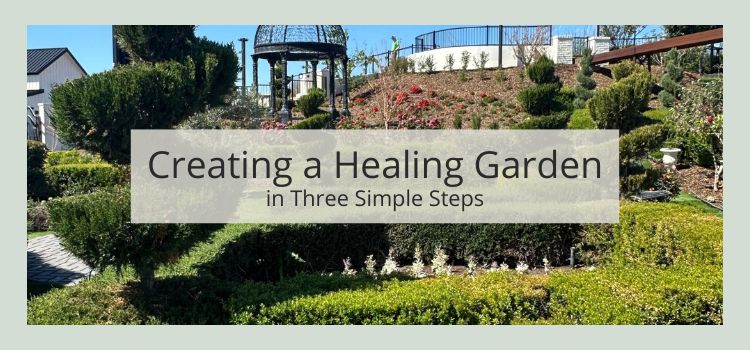
Designing a garden isn’t just about filling space—it’s about cultivating purpose. Agriscaping, the art of blending elegant landscape design with edible functionality, invites you to grow with intention. Whether you’re creating a healing sanctuary, a productive food forest, or a visually stunning edible landscape, the key lies in thoughtful design and strategic plant selection.
Start with Purpose: Design That Reflects Your Goals
Before choosing a single plant, ask yourself: What do I want this space to do?
- Are you aiming for a tranquil retreat, a culinary garden, or a vibrant gathering space?
- Do you want seasonal color, pollinator support, or year-round harvests?
Agriscaping encourages you to “start with the end in mind.” Your garden can be elegant and edible, productive and beautiful. By selecting a theme—like a healing garden, a Mediterranean kitchen garden, or a sensory landscape—you create cohesion and emotional resonance.
Understand Your Space: Microclimates & Site Assessment
Every yard contains multiple microclimates—sunny corners, shaded nooks, wind corridors, and moisture pockets. These hidden zones influence what will thrive and where.
Tips for mapping your space:
- Track sun exposure throughout the day
- Note areas with reflected heat or wind protection
- Identify soil types and drainage patterns
- Consider vertical space for vines or trellised crops
Designing with microclimates in mind allows you to extend your growing season and maximize productivity.
Select Plants with Purpose: Beauty Meets Function
Agriscaping’s plant selection philosophy blends aesthetics, practicality, and ecological harmony. Here are three guiding principles:
1. Know What Grows
Use a planting calendar tailored to your region. Choose varieties that thrive in your climate and soil conditions. In the desert Southwest, citrus, figs, pomegranates, and herbs like rosemary and thyme are top performers.
2. Balance Perennials & Annuals
Perennials like fruit trees and herbs offer structure and longevity. Annuals add seasonal flair and flexibility. Together, they create dynamic, evolving landscapes.
3. Layer for Elegance
Design with depth and texture:
- Use tall plants in the back, shorter ones near paths
- Alternate colors—green and purple lettuces, for example
- Edge beds with grassy herbs like chives or garlic for visual appeal and pest control
Edible flowers like nasturtiums, calendula, and flowering brassicas add color, attract pollinators, and elevate your garden’s elegance.
Sustainability by Design
Agriscaping isn’t just beautiful—it’s resource-smart.
- Drip irrigation delivers water efficiently to roots
- Mulch retains moisture and suppresses weeds
- Companion planting supports biodiversity and natural pest control
- HOA-friendly design blends edibles into ornamental layouts
By growing food in harmony with your landscape, you reduce waste, conserve water, and create a space that nourishes both people and planet.
Final Thought: Your Garden, Your Intention
Growing with intention means every plant, path, and patch of soil serves a purpose. Whether you’re cultivating abundance, healing, or connection, Agriscaping helps you design a landscape that reflects your values and supports your lifestyle.
our garden isn’t just a place—it’s a living expression of who you are and what you care about. Let us help you dream up your elegant edible landscape at Agriscaping.com
Read Our Latest Posts…
- Peak Production Starts with Smart Planning
 Expert tips for desert gardening, from plant zoning and efficient irrigation to soil care and agriscaping for a sustainable landscape.
 - Avoid These Common Soil Prep Mistakes
 Expert tips for desert gardening, from plant zoning and efficient irrigation to soil care and agriscaping for a sustainable landscape.
 - The Agriscaping Approach to Edible Elegance
 Expert tips for desert gardening, from plant zoning and efficient irrigation to soil care and agriscaping for a sustainable landscape.
 - Why Soil Prep Is the Secret to Garden Success
 Expert tips for desert gardening, from plant zoning and efficient irrigation to soil care and agriscaping for a sustainable landscape.
 - Garden Maintenance Tips for a Productive Fall Season
 Expert tips for desert gardening, from plant zoning and efficient irrigation to soil care and agriscaping for a sustainable landscape.