
Smart Shade Strategies: Protecting Plants and People in the Summer Garden
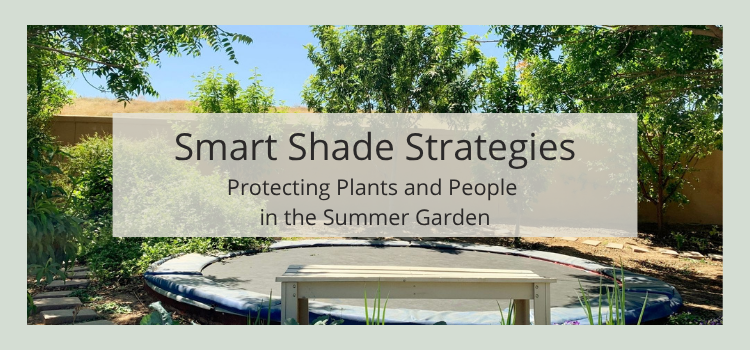
When summer temperatures soar, shade becomes more than a comfort—it’s a game-changer. Whether you’re shielding delicate greens or carving out a cool corner to relax, thoughtful shade design can transform your garden into a more productive, resilient, and enjoyable space.
Why Shade Matters
Sunlight is essential—but too much of it can work against you. Excessive direct sun can:
- Scorch leaves and stunt plant growth
- Dry out soil quickly, increasing water demands
- Make outdoor spaces uncomfortable for people and pollinators
By incorporating shade intentionally, you can extend your growing season, reduce plant stress, and create inviting zones for rest and reflection.
Living Shade: Grow Your Own Canopy
Nature offers elegant solutions for summer shade. With the right plants, you can create a dynamic canopy that cools your garden and feeds your family.
Try these living shade strategies:
- Vining crops like beans, cucumbers, or grapevines trained over trellises or arbors
- Tall annuals like sunflowers or corn to shelter shade-loving crops such as lettuce or spinach
- Trees and shrubs for long-term shade and habitat—just be mindful of root competition and water needs
Pro Tip: Fast-growing vines like scarlet runner beans offer seasonal shade and edible rewards.
Structural Shade: Build with Purpose
When plants alone aren’t enough, structural elements can provide reliable, customizable shade.
Smart structural options include:
- Shade cloths or garden sails that reduce sunlight by 30–70%, depending on the material
- Pergolas, arbors, and trellises that add beauty and function to patios, pathways, or raised beds
- Umbrellas or pop-up canopies for flexible, movable shade in high-sun zones
These features not only protect your plants—they create comfortable spaces for you to enjoy your garden longer.
Bonus Strategy: Shade with Intention
Shade isn’t just for comfort—it’s a strategic tool for smarter gardening.
- Cool-season crops like kale, cilantro, and lettuce bolt quickly in full sun. Tuck them behind taller plants or under partial shade to extend their harvest.
- Compost bins and tool storage benefit from shade to prevent overheating and preserve materials.
- Pollinator zones stay more active when shaded during peak heat hours.
Final Thought
Shade is more than a shield—it’s a design element that supports plant health, water conservation, and human comfort. By blending living and structural shade, you can create a garden that thrives in the heat and invites you to linger, harvest, and enjoy.
If you’d like personalized guidance on seasonal planting, maintenance, and design strategies tailored to your climate and lifestyle, you can schedule a consultation to receive expert support for year‑round success.
Read Our Latest Posts…
- Peak Production Starts with Smart Planning
 Expert tips for desert gardening, from plant zoning and efficient irrigation to soil care and agriscaping for a sustainable landscape.
 - Avoid These Common Soil Prep Mistakes
 Expert tips for desert gardening, from plant zoning and efficient irrigation to soil care and agriscaping for a sustainable landscape.
 - The Agriscaping Approach to Edible Elegance
 Expert tips for desert gardening, from plant zoning and efficient irrigation to soil care and agriscaping for a sustainable landscape.
 - Why Soil Prep Is the Secret to Garden Success
 Expert tips for desert gardening, from plant zoning and efficient irrigation to soil care and agriscaping for a sustainable landscape.
 - Garden Maintenance Tips for a Productive Fall Season
 Expert tips for desert gardening, from plant zoning and efficient irrigation to soil care and agriscaping for a sustainable landscape.