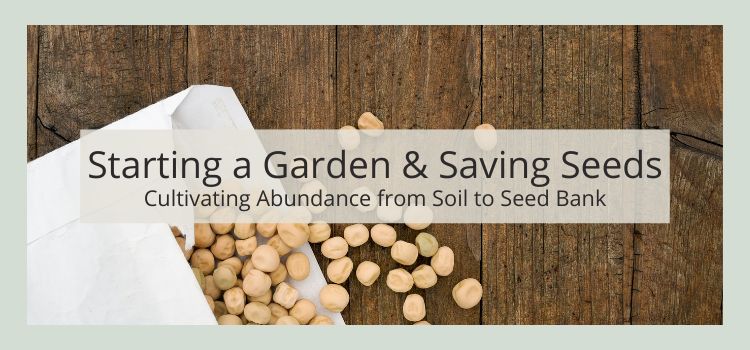
Starting a Garden & Saving Seeds: Cultivating Abundance from Soil to Seed Bank
Starting a garden is one of the most empowering steps you can take toward self-reliance, wellness, and sustainability. Whether you’re sowing seeds for the first time or expanding your edible landscape, understanding how to grow—and preserve—your plants is key to long-term success.
Starting Strong: Seeds vs. Seedlings
When planting season arrives, you have two main options: start with seeds or jump in with seedlings.
- Seeds offer affordability, variety, and the joy of watching life unfold from the very beginning.
- Seedlings provide a head start, especially if you’re working with a short growing season or want quicker harvests.
If you choose seeds, remember these five essentials for success:
- Planting dates based on your Grow Zone
- Proper spacing to avoid overcrowding
- Consistent watering during germination
- Plenty of sunlight for strong growth
- Correct planting depth—twice the size of the seed
Want to extend your seed-starting season? Use hoop houses to raise soil temperatures by 5–10°F and boost germination during cooler months.
Choosing the Right Seeds
Not all seeds are created equal. For best results:
- Choose USDA Certified Organic and Non-GMO seeds
- Look for heirloom varieties for flavor, resilience, and biodiversity
- Call seed companies directly—they’re often happy to help you match varieties to your climate
Seed Saving & Heirloom Preservation: Planting for the Future
Once your garden is thriving, it’s time to think long-term. Seed saving is a powerful way to preserve your healthiest crops, reduce costs, and protect biodiversity.
Absolutely! Here’s a revised version of that section with practical tips woven into each point—perfect for an article that educates and inspires without relying on the workshop framing:
Seed Saving & Heirloom Preservation: Tips for Cultivating a Legacy
Preserving seeds from your garden isn’t just a way to save money—it’s a powerful act of stewardship. Here are four essential tips to help you get started:
1. Identifying & Harvesting Viable Seeds
Look for plants that are vigorous, pest-resistant, and true to type. Let fruits or pods fully mature on the plant before harvesting seeds—this ensures maximum viability. For example, tomatoes should be overripe, and beans should dry on the vine.
2. Drying, Storing & Labeling Seeds
Proper drying prevents mold and extends shelf life. Spread seeds on a paper towel or mesh screen in a cool, dry place for 1–2 weeks. Store in airtight containers with silica packets, and always label with the variety, date, and source.
3. Choosing Heirloom Varieties
Heirlooms are open-pollinated, meaning they can be saved and replanted year after year. Grow heirlooms like Brandywine tomatoes or Dragon Tongue beans for rich flavor and genetic diversity. They’re often better adapted to local conditions and contribute to biodiversity.
4. Building Your Own Seed Bank
A personal seed bank ensures you’re ready for each season—and helps preserve rare varieties. Use small glass jars, coin envelopes, or photo organizers to sort seeds by type and planting season. Keep your seed bank in a cool, dark place and update it annually with fresh additions.
Whether you’re a backyard grower or a budding seed steward, seed saving helps you cultivate a legacy of abundance. It’s not just about growing food—it’s about preserving stories, flavors, and resilience for generations to come.
Ready to Grow & Preserve?
The Agriscaping Mastery Program teaches you everything from soil prep and microclimate mapping to seed saving and edible landscape design. With 36 essential skills, you’ll be equipped to grow a garden that nourishes your body, your community, and your future.
Read Our Latest Posts…
- Peak Production Starts with Smart Planning
 Expert tips for desert gardening, from plant zoning and efficient irrigation to soil care and agriscaping for a sustainable landscape.
 - Avoid These Common Soil Prep Mistakes
 Expert tips for desert gardening, from plant zoning and efficient irrigation to soil care and agriscaping for a sustainable landscape.
 - The Agriscaping Approach to Edible Elegance
 Expert tips for desert gardening, from plant zoning and efficient irrigation to soil care and agriscaping for a sustainable landscape.
 - Why Soil Prep Is the Secret to Garden Success
 Expert tips for desert gardening, from plant zoning and efficient irrigation to soil care and agriscaping for a sustainable landscape.
 - Garden Maintenance Tips for a Productive Fall Season
 Expert tips for desert gardening, from plant zoning and efficient irrigation to soil care and agriscaping for a sustainable landscape.