From Prep to Productivity: A Guide to No-Till Soil Success
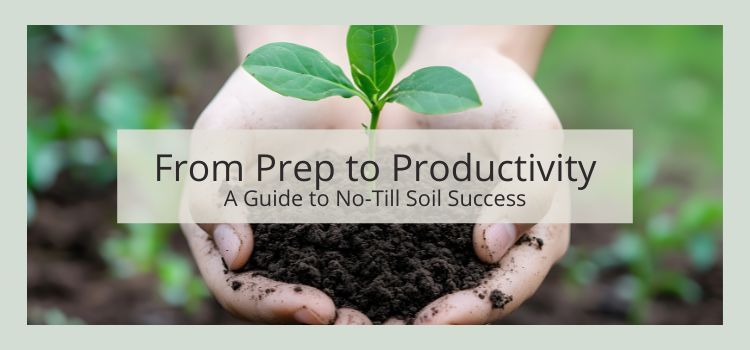
Healthy soil is the foundation of a thriving garden—and it starts with a strong beginning. While the goal is to build a no-till system that sustains itself, the first step is to prepare your native soil for transformation.
Step 1: Deep Prep for Long-Term Health
Begin by loosening the native soil to a depth of at least 18 inches. This initial tilling helps break up compacted layers and allows nutrients, water, and roots to move freely.
In Arizona’s clay-heavy soil, adding gypsum is especially beneficial. It helps break up hardpan and improves soil structure.
Use about ½ cup of gypsum per square foot for best results.
Step 2: Add Living Biomass
Once the soil is loosened, it’s time to feed it. Layer in composted manure or other rich organic matter. This isn’t just fertilizer—it’s the beginning of a living system.
Microbes, fungi, and beneficial bacteria will begin working together to build a vibrant underground network. These billions of tiny workers help regulate moisture, break down nutrients, and support plant health—even when you’re not around.
Step 3: Transition to No-Till
After your initial prep, the goal is to stop tilling altogether. Why? Because disturbing healthy soil disrupts its natural structure and microbial balance.
Instead, cycle your crops, layer organic matter, and let the soil regenerate on its own. A no-till system becomes more productive and resilient over time.
How to Test Your Soil
Want to know if your soil is thriving? Try this simple test:
- Dig about 12 inches down and grab a handful.
- Squeeze it into a ball, then open your hand.
- Healthy soil should crumble slightly, feel moist but not wet, and break into pea-sized pieces when rolled.
- It should be sticky enough to hold together, but not compacted.
Ready to Cultivate Soil That Works for You?
If you’re ready to build a living soil system and grow with confidence, join the Agriscaping Mastery Program. You’ll learn 36 essential skills—including soil science, crop cycling, and edible landscape design—to create a garden that’s elegant, efficient, and alive.
Let your soil do the work—so you can focus on the joy of growing.
Read Our Latest Posts…
- Peak Production Starts with Smart Planning
 Expert tips for desert gardening, from plant zoning and efficient irrigation to soil care and agriscaping for a sustainable landscape.
 - Avoid These Common Soil Prep Mistakes
 Expert tips for desert gardening, from plant zoning and efficient irrigation to soil care and agriscaping for a sustainable landscape.
 - The Agriscaping Approach to Edible Elegance
 Expert tips for desert gardening, from plant zoning and efficient irrigation to soil care and agriscaping for a sustainable landscape.
 - Why Soil Prep Is the Secret to Garden Success
 Expert tips for desert gardening, from plant zoning and efficient irrigation to soil care and agriscaping for a sustainable landscape.
 - Garden Maintenance Tips for a Productive Fall Season
 Expert tips for desert gardening, from plant zoning and efficient irrigation to soil care and agriscaping for a sustainable landscape.