
How to Keep Your Plants Cozy and Thriving in Winter: Smart Cold-Season Gardening Techniques
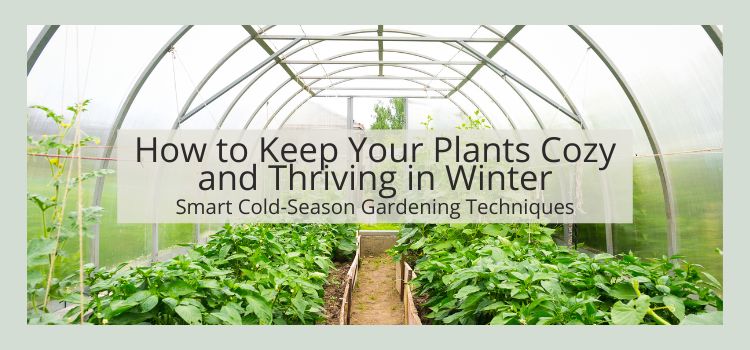
Cold-season gardening can be incredibly rewarding when you select the right cold-hardy plants and provide strategic warmth to protect them from frost. Crops like ornamental kale, blueberries, Barbados cherries, and rye grass thrive in cooler temperatures, but ensuring consistent warmth is the key to healthy growth.
Here are four effective ways to keep your garden warm and maximize winter productivity:
1. Maximize Sun Exposure
The best natural heat source for plants is sunlight. Plan your landscape with deciduous trees, which provide shade in summer and allow full sun exposure in winter. This seasonal adaptability ensures warmth for your plants while maintaining balanced light conditions year-round.
2. Use Warming Structures
Incorporate adjustable shade systems that allow maximum winter sunlight while offering summer protection. Structures like:
✔ Retractable shades positioned near radiant heat sources (like walls or patios)
✔ Warming walls to reflect heat back onto nearby plants
✔ Cold frames, greenhouses, and hoop houses for insulated protection
3. Harness Compost Heat
Composting generates bio-heat, often reaching up to 160°F! Incorporating compost:
✔ Within hoop houses creates a warm microclimate
✔ As a weight for securing structures helps maintain heat retention
✔ Near plant beds adds warmth while enriching the soil with nutrients
4. Optimize Raised Beds
Raised beds are excellent for heat retention. Position beds strategically to:
✔ Allow direct sun exposure to warm the soil base
✔ Retain warmth into the night for sustained plant protection
✔ Improve root health with consistently warm soil
Design Your Seasonal Garden for Success
Want to create a thriving winter garden that looks beautiful and produces year-round? Get expert guidance and tailored seasonal designs—schedule a consultation today at Agriscaping.com.
Read Our Latest Posts…
- Peak Production Starts with Smart Planning
 Expert tips for desert gardening, from plant zoning and efficient irrigation to soil care and agriscaping for a sustainable landscape.
 - Avoid These Common Soil Prep Mistakes
 Expert tips for desert gardening, from plant zoning and efficient irrigation to soil care and agriscaping for a sustainable landscape.
 - The Agriscaping Approach to Edible Elegance
 Expert tips for desert gardening, from plant zoning and efficient irrigation to soil care and agriscaping for a sustainable landscape.
 - Why Soil Prep Is the Secret to Garden Success
 Expert tips for desert gardening, from plant zoning and efficient irrigation to soil care and agriscaping for a sustainable landscape.
 - Garden Maintenance Tips for a Productive Fall Season
 Expert tips for desert gardening, from plant zoning and efficient irrigation to soil care and agriscaping for a sustainable landscape.