
Designing Summer Microclimates: Creating Cooler, More Resilient Garden Spaces
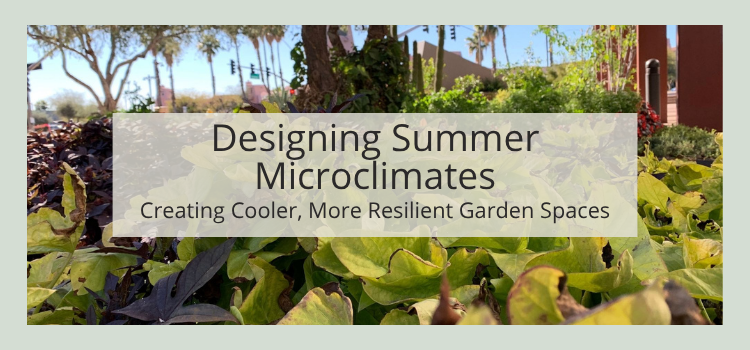
Summer gardening isn’t just about protecting plants from heat—it’s about designing an environment where plants, pollinators, and people can thrive even during the hottest months. Agriscaping teaches that every yard contains a mosaic of microclimates: pockets of heat, zones of natural coolness, areas with reflected light, and sheltered corners that behave differently throughout the day. When you understand and intentionally shape these microclimates, your garden becomes more productive, more comfortable, and far more resilient.
Microclimate design begins with observation. Spend a few days watching how sunlight moves across your yard. Notice where heat reflects off walls or hardscapes, where breezes naturally flow, and where shadows fall in the morning versus late afternoon. These patterns reveal opportunities to place plants where they’ll thrive with less stress. Heat‑loving crops like peppers, melons, and basil flourish in warm pockets, while leafy greens and herbs prefer cooler, partially shaded zones.
Once you understand your yard’s natural patterns, you can begin shaping them. Strategic placement of structures—like trellises, fences, or even outdoor furniture—can redirect airflow, soften harsh sun, or create sheltered planting zones. Gravel paths warm the soil for heat‑loving plants, while mulched beds help cool the ground for more delicate crops. Even the color of nearby surfaces influences temperature: light colors reflect heat, while dark colors absorb it.
Plants themselves can be powerful microclimate tools. Tall crops create windbreaks, dense shrubs buffer temperature swings, and groundcovers cool the soil while reducing evaporation. Instead of thinking of shade as a single solution, think of plants as climate engineers. A well‑placed shrub can protect a raised bed from afternoon heat, while a cluster of fruit trees can create a cooler pocket perfect for herbs or pollinator plants.
Water also plays a role in microclimate creation. Drip irrigation keeps soil moisture consistent without raising humidity around foliage. Small water features—like birdbaths or fountains—can cool the surrounding air and attract beneficial wildlife. Mulch, compost, and soil health practices help regulate temperature at the root zone, giving plants a stable foundation even when the weather fluctuates.
When you design with microclimates in mind, your garden becomes a dynamic, adaptive system. Instead of fighting the heat, you work with it—placing each plant where it naturally thrives and creating comfortable spaces for yourself as well. This approach leads to healthier plants, reduced water use, and a garden that feels good to be in, even on the hottest days of summer.
If you want expert guidance mapping and designing your yard’s microclimates for summer success, schedule an Agriscaping consultation: https://agriscaping.com/professional-landscape-service


Read Our Latest Posts…
- Avoid These Common Soil Prep Mistakes
 Expert tips for desert gardening, from plant zoning and efficient irrigation to soil care and agriscaping for a sustainable landscape.
 - The Agriscaping Approach to Edible Elegance
 Expert tips for desert gardening, from plant zoning and efficient irrigation to soil care and agriscaping for a sustainable landscape.
 - Why Soil Prep Is the Secret to Garden Success
 Expert tips for desert gardening, from plant zoning and efficient irrigation to soil care and agriscaping for a sustainable landscape.
 - Garden Maintenance Tips for a Productive Fall Season
 Expert tips for desert gardening, from plant zoning and efficient irrigation to soil care and agriscaping for a sustainable landscape.
 - Fall Planting Guide: Crops That Thrive in Cooler Weather
 Expert tips for desert gardening, from plant zoning and efficient irrigation to soil care and agriscaping for a sustainable landscape.