
Understanding Freeze Pruning
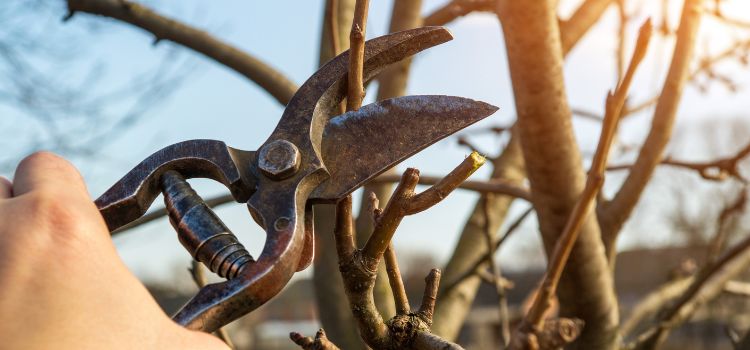
As winter settles in, it’s essential to keep an eye on weather conditions and be prepared for cold nights. If temperatures drop to 35°F or lower, protecting your plants with frost cloths is key to preventing damage. However, if you notice frost-damaged plants, don’t rush to remove them—give them a week to recover and check for regrowth near the base. It’s often easier to nurture them back to health than to start over.
What Is Freeze Pruning?
Freeze pruning occurs when cold weather naturally trims back longer stems, allowing plants to concentrate energy on healthy growth. While frost damage may seem harmful, it can actually stimulate multi-branching and create more fruiting ends as spring arrives.
Cold-weather advantage.
Brassicas like broccoli, kale, and cabbage thrive in winter conditions. A light frost enhances their flavor, making them sweeter and more nutrient-rich!
Winter Lawn Care Tips
If you have perennial rye or other cool-season grasses, be mindful of early morning frost:
✔ Avoid walking on frozen grass – Frost can cause blades to snap, leading to patchy die-off.
✔ Wait until the afternoon – Give frost time to melt before stepping on the lawn.
✔ Water only when the grass bounces back – If it remains flattened, hold off on watering until it recovers.
✔ Use a nitrogen-rich liquid fertilizer – Applying mid-morning ensures proper absorption while avoiding cold stress. Adding a touch of mint oil can help mask strong fertilizer odors.
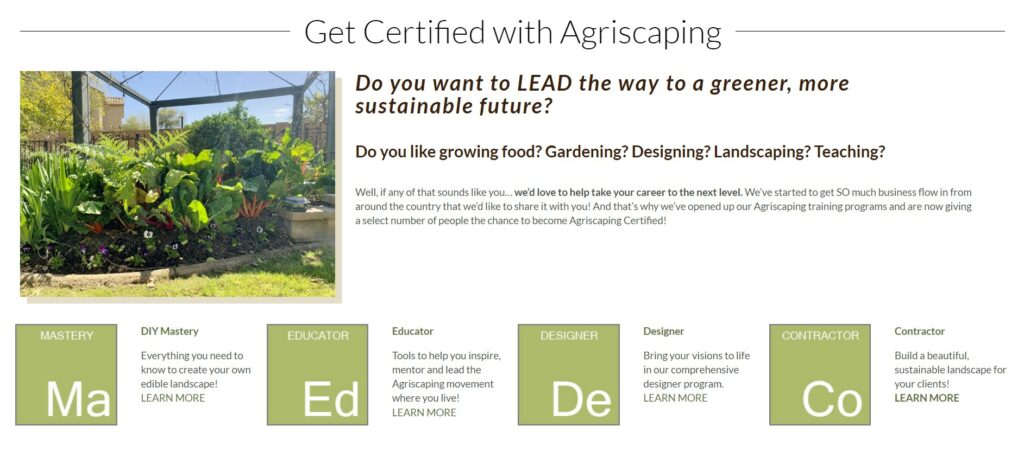
Winter doesn’t have to mean plant struggles—with smart seasonal care, freeze pruning can actually enhance garden productivity! Want to master winter plant care and grow a thriving, edible landscape? Join the Agriscaping Mastery Program to learn expert techniques for year-round success!

Read Our Latest Posts…
- Peak Production Starts with Smart Planning
 Expert tips for desert gardening, from plant zoning and efficient irrigation to soil care and agriscaping for a sustainable landscape.
 - Avoid These Common Soil Prep Mistakes
 Expert tips for desert gardening, from plant zoning and efficient irrigation to soil care and agriscaping for a sustainable landscape.
 - The Agriscaping Approach to Edible Elegance
 Expert tips for desert gardening, from plant zoning and efficient irrigation to soil care and agriscaping for a sustainable landscape.
 - Why Soil Prep Is the Secret to Garden Success
 Expert tips for desert gardening, from plant zoning and efficient irrigation to soil care and agriscaping for a sustainable landscape.
 - Garden Maintenance Tips for a Productive Fall Season
 Expert tips for desert gardening, from plant zoning and efficient irrigation to soil care and agriscaping for a sustainable landscape.