
Avoid Common Desert Pruning Mistakes This Winter
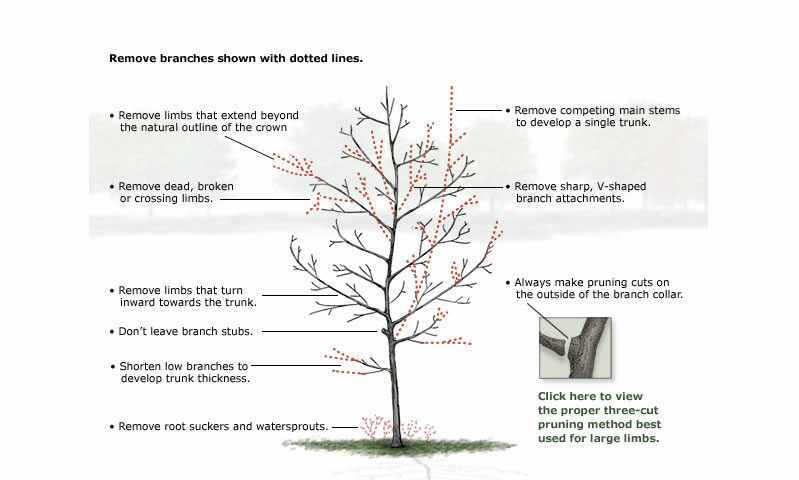
Desert pruning is an essential part of maintaining a thriving garden in the Southwest. Many plants in this region require specific care to stay healthy and productive. Winter is the perfect time to prune most desert plants, but it’s easy to make mistakes. Improper pruning can weaken plants or reduce growth. Follow these tips to avoid common errors and keep your desert garden looking its best.
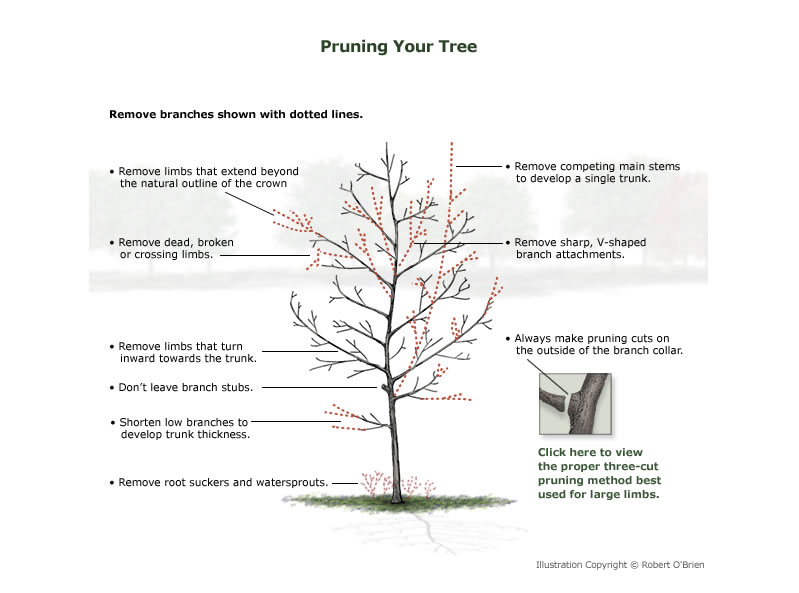
Why Desert Pruning Matters
Pruning keeps plants healthy. It removes dead or damaged branches, improves airflow, and encourages new growth. In the desert, pruning from the time a tree or shrub is young is even more important. Harsh weather can cause branches to break or die, and plants may need extra shaping to handle the intense conditions.
Unique Challenges of Desert Pruning
Gardening in the desert Southwest comes with specific challenges:
- Intense Sunlight: Over-pruning exposes plants to too much sun, causing sunburn.
- Low Humidity: Improper cuts can dry out plant tissue.
- Drought Stress: Removing too much foliage reduces water retention.
Understanding these factors helps you avoid pruning mistakes.
Common Desert Pruning Mistakes
1. Pruning at the Wrong Time
Timing is everything when pruning. Many desert plants, like mesquite and palo verde trees, benefit from winter pruning. However, avoid pruning in late spring or summer. This can stress the plant during hot weather.
Pro Tip: Always prune after the plant has gone dormant or during its least active growing phase.
2. Over-Pruning
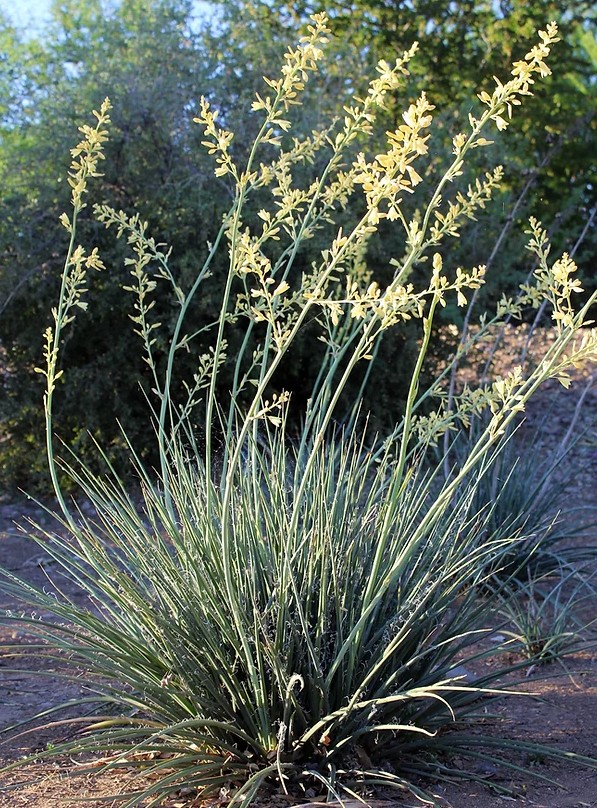
Cutting back too much foliage can harm the plant. It removes essential shade and leaves the plant exposed to harsh sunlight. Over-pruning also reduces the plant’s ability to photosynthesize and store energy. Sometimes over-pruning can destroy the shape of a desert plant that is meant to be spikey or lush (such as Hespereloe ‘Little Miss Sunshine’ seen in the above image).
How to Avoid It: Only remove dead, damaged, or crossing branches. Leave enough healthy growth to protect the plant.
3. Using Dull Tools
Dull pruning tools tear branches instead of making clean cuts. This can lead to jagged wounds that heal slowly and invite disease.
Solution: Keep your tools sharp. Regularly clean and oil them to prevent rust.
4. Ignoring Plant-Specific Needs
Not all desert plants need the same pruning approach. For example:
- Succulents: Only remove dead or damaged leaves. Avoid heavy pruning, as succulents store water in their tissues.
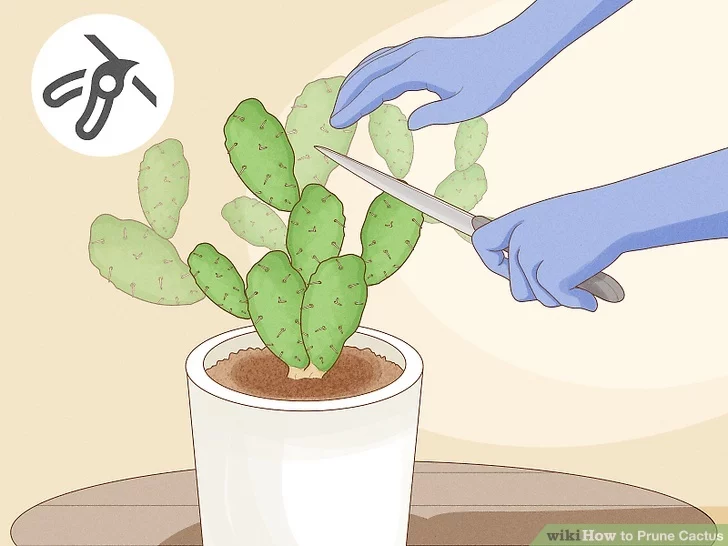
- Cacti: Use specialized tools to remove dead pads or branches carefully.
- Desert Trees: Thin the canopy slightly to allow better airflow but avoid over-thinning.
Tip: Research each plant’s pruning needs before you start.
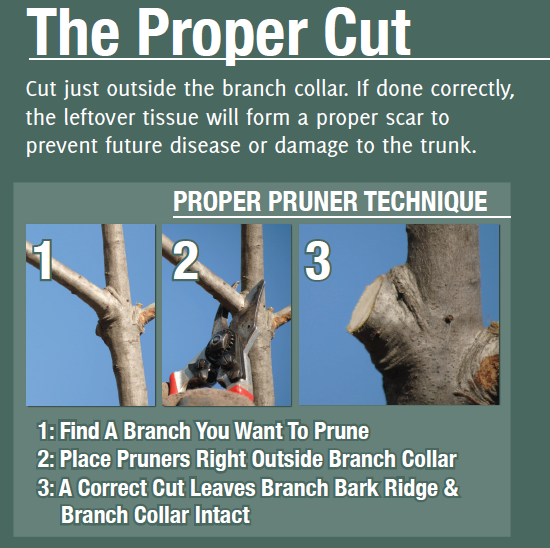
5. Making Improper Cuts
Improper cuts leave plants vulnerable to pests and disease. Cutting too close to the trunk or leaving long stubs can both cause problems.
How to Prune Correctly:
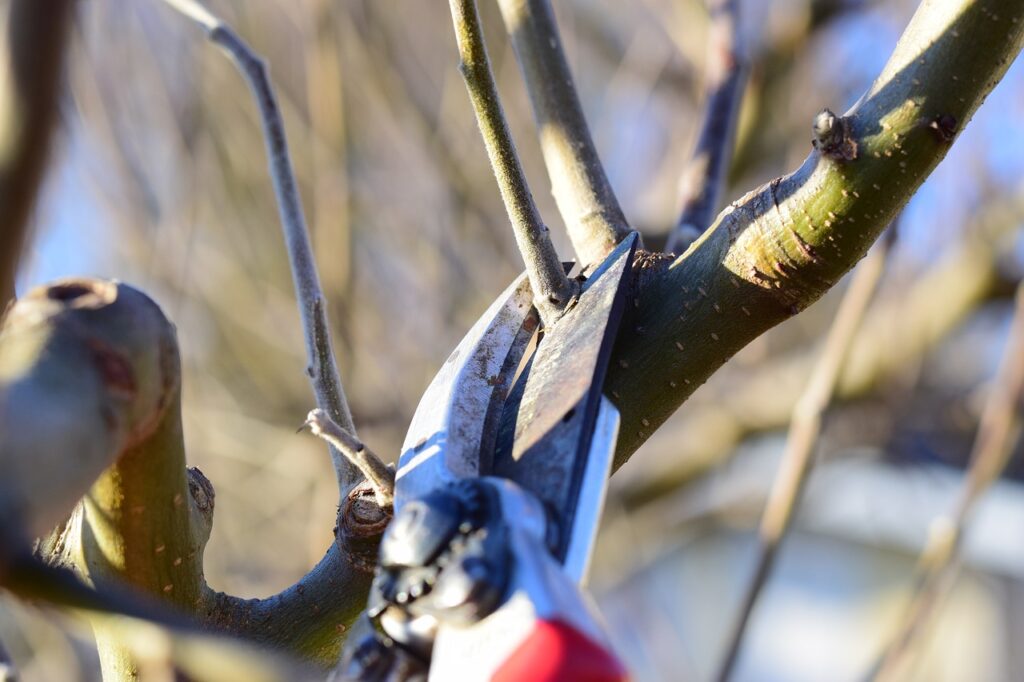
- Use a clean, sharp tool.
- Make cuts at a slight angle.
- Cut just outside the branch collar without damaging it.
Best Practices for Desert Pruning
Protect Plants from Sunburn
Sunburn is a common issue after pruning in the desert. To avoid this:
- Prune conservatively, leaving some branches to shade the trunk.
- Apply a tree wrap or diluted whitewash to protect exposed areas.
Prune for Structure
Desert trees and shrubs benefit from strong, open canopies. This helps them withstand winds and reduces pest infestations. Remove crossing branches and those growing inward to create a balanced shape.
Pro Tip: Focus on maintaining the natural form of the plant. Avoid overly shaping it into unnatural designs.
Water Before Pruning
Well-hydrated plants heal faster after pruning. Water your plants a day or two before pruning to minimize stress.
Keep the Area Clean
Remove all debris after pruning. Piles of branches can harbor pests and diseases that spread to healthy plants. Dispose of or compost clippings responsibly.
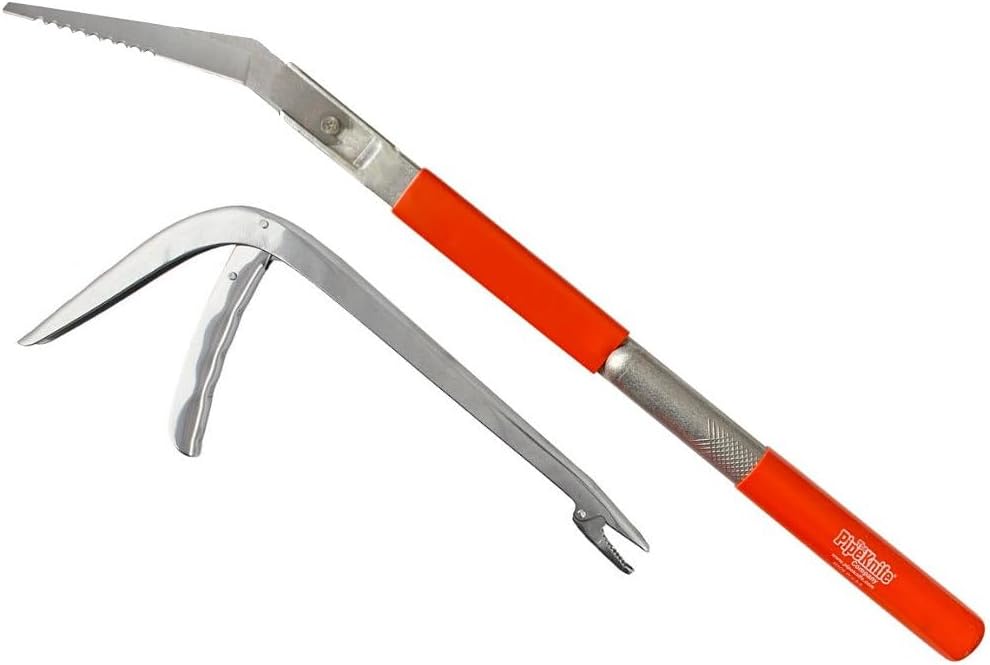
Tools for Desert Pruning
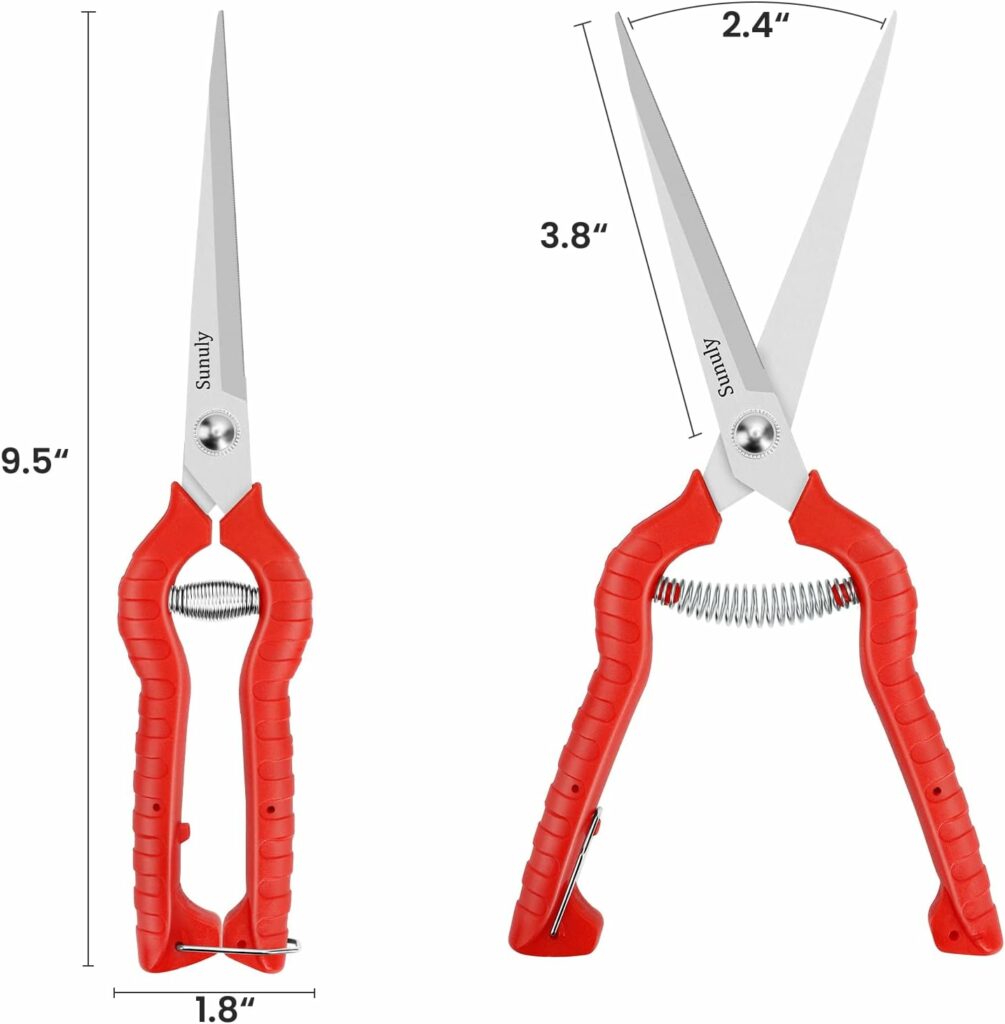
Having the right tools ensures clean cuts and makes the job easier. Essential tools include:
- Bypass Pruners: For small branches and stems.
- Loppers: For medium-sized branches.
- Pruning Saw: For large branches on trees and shrubs.
- Gloves: Protect your hands from thorns and sap.
Specialized Tools for Desert Plants
- Cactus Shears, Snippers, and Saw Tools: Designed for safely trimming cacti.
- Long-Handled Shears: Long-handled shears help to keep your hands distant from spikes.
- Long-Handled Pruners: Useful for thorny desert plants like ocotillo.
- Tongs or Long Twizzers: Used for grabbing cactus pads and extracting needles
When to Call a Professional
Some pruning tasks require expert help. For large desert trees or plants near power lines, hire a certified arborist. They can ensure safe and proper pruning without damaging the plant.
Benefits of Proper Desert Pruning
Pruning your desert garden correctly has many advantages:
- Healthier Plants: Encourages growth and reduces the risk of disease.
- Stronger Structures: Helps trees and shrubs withstand harsh weather.
- Better Appearance: Keeps plants neat and well-shaped.
Final Thoughts
Desert pruning is a key part of maintaining a healthy, beautiful garden in the Southwest. Avoid common mistakes like over-pruning, using dull tools, and ignoring plant-specific needs. By following these tips, you can keep your plants thriving through the winter and beyond. Take the time to learn about your plants and use the right tools for the job. Your desert garden will thank you!

Read Our Latest Posts…
- Peak Production Starts with Smart Planning
 Expert tips for desert gardening, from plant zoning and efficient irrigation to soil care and agriscaping for a sustainable landscape.
- Avoid These Common Soil Prep Mistakes
 Expert tips for desert gardening, from plant zoning and efficient irrigation to soil care and agriscaping for a sustainable landscape.
- The Agriscaping Approach to Edible Elegance
 Expert tips for desert gardening, from plant zoning and efficient irrigation to soil care and agriscaping for a sustainable landscape.
- Why Soil Prep Is the Secret to Garden Success
 Expert tips for desert gardening, from plant zoning and efficient irrigation to soil care and agriscaping for a sustainable landscape.
- Garden Maintenance Tips for a Productive Fall Season
 Expert tips for desert gardening, from plant zoning and efficient irrigation to soil care and agriscaping for a sustainable landscape.