
Mastering Microclimates — The Secret to Smarter Summer Gardening
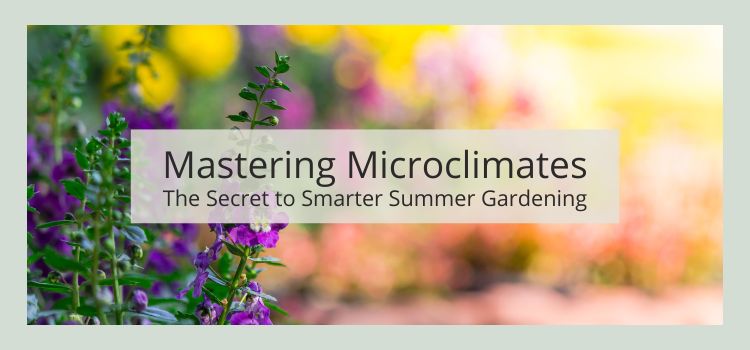
When it comes to thriving gardens—especially in the heat of summer—microclimates are your secret weapon. These small, localized zones within your yard can differ dramatically in temperature, sunlight, wind exposure, and moisture. Learning to identify and use them can transform your garden from struggling to stunning.
What Is a Microclimate?
A microclimate is a pocket of unique environmental conditions within a larger area. Think of that sunny corner by your south-facing wall, or the cool, shaded nook under a tree. These zones can be warmer, cooler, wetter, or drier than the rest of your yard—and they’re perfect for tailoring plant placement.
How to Identify Microclimates in Your Garden
- Track the sun: Observe how sunlight moves across your space throughout the day and seasons. South-facing walls absorb and reflect heat, creating warm zones ideal for heat-loving plants.
- Feel the breeze: Windbreaks like fences or hedges can create calm, protected areas—great for delicate plants or vertical growing.
- Watch for water: Low spots may collect moisture, while raised beds or slopes drain quickly. Match plants to these moisture levels.
- Note thermal mass: Rocks, bricks, and patios absorb heat during the day and release it at night, warming nearby plants.
Why Microclimates Matter in Summer
In hot months, microclimates can:
- Extend your growing season by protecting plants from extreme heat or sunburn
- Allow you to grow a wider variety of crops by mimicking different climate zones
- Reduce water usage by placing thirsty plants in naturally moist areas
Pro Tip: Map It Out
Create a simple garden map and mark zones based on sun, wind, and moisture. This visual guide helps you plan plant placement with precision—and gives you a leg up on seasonal transitions.
Read Our Latest Posts…
- Avoid These Common Soil Prep Mistakes
 Expert tips for desert gardening, from plant zoning and efficient irrigation to soil care and agriscaping for a sustainable landscape.
 - The Agriscaping Approach to Edible Elegance
 Expert tips for desert gardening, from plant zoning and efficient irrigation to soil care and agriscaping for a sustainable landscape.
 - Why Soil Prep Is the Secret to Garden Success
 Expert tips for desert gardening, from plant zoning and efficient irrigation to soil care and agriscaping for a sustainable landscape.
 - Garden Maintenance Tips for a Productive Fall Season
 Expert tips for desert gardening, from plant zoning and efficient irrigation to soil care and agriscaping for a sustainable landscape.
 - Fall Planting Guide: Crops That Thrive in Cooler Weather
 Expert tips for desert gardening, from plant zoning and efficient irrigation to soil care and agriscaping for a sustainable landscape.