Tips & Tricks for Planting Bare Root Fruit Trees
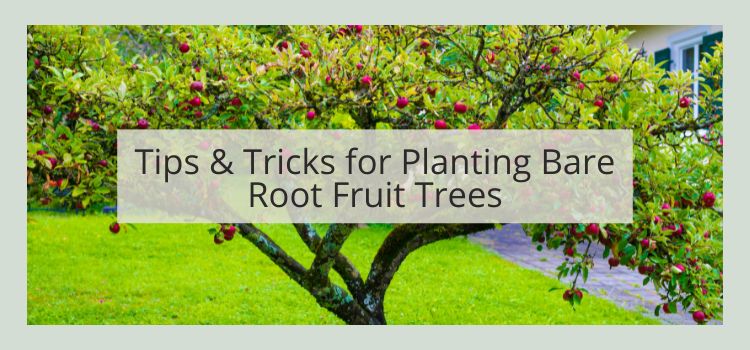
Bare root fruit trees—also known as deciduous trees—offer a fantastic opportunity to establish a productive orchard with strong, healthy roots. These trees are sold without soil around their roots, making them easier to transport, more affordable, and quicker to establish when planted correctly.
Best Time to Plant
The ideal time to plant bare root fruit trees is late winter to early spring, before the trees begin to bud or bloom. Planting during dormancy allows the roots to settle in and begin growing before the tree shifts energy toward leaf and flower production.
Pro tip: Call local nurseries in advance—bare root trees are seasonal and often sell out quickly.
Great Bare Root Varieties to Consider
Here are some fruit trees that thrive as bare root plantings and are well-suited for warm climates like Arizona:
- Apples
- Peaches
- Plums
- Cherries
- Apricots
- Mulberries (excellent shade tree)
- Pomegranates
- Figs
When selecting varieties, check the chill hour requirement on the plant tag. For the Phoenix Metropolitan area, look for trees with less than 250 chill hours to ensure optimal fruit production.
Chill Hours & Arizona-Specific Tips
In warmer regions like Arizona, achieving enough chill hours can be tricky. Chill hours refer to the number of hours below 45°F that a tree needs to trigger dormancy and prepare for fruiting.
Helpful tip:
To simulate chill and encourage leaf drop, some gardeners place ice around the base of the tree during winter. While not all low-chill varieties require full leaf drop to produce fruit, trees that do experience proper dormancy tend to yield better harvests, especially in alternating years.
Why Bare Root Trees Are Worth It
- Cost-effective: Typically cheaper than potted trees
- Stronger root systems: Roots adapt quickly to native soil
- Wider selection: Nurseries often carry more varieties in bare root form
- Easier transport & planting: Lightweight and simple to handle
Learn More with Agriscaping
Want to master the art of planting and caring for bare root fruit trees? The Agriscaping Mastery Program offers hands-on guidance and expert strategies to help you grow a thriving edible landscape—tailored to your climate and goals.
Read Our Latest Posts…
- Avoid These Common Soil Prep Mistakes
 Expert tips for desert gardening, from plant zoning and efficient irrigation to soil care and agriscaping for a sustainable landscape.
 - The Agriscaping Approach to Edible Elegance
 Expert tips for desert gardening, from plant zoning and efficient irrigation to soil care and agriscaping for a sustainable landscape.
 - Why Soil Prep Is the Secret to Garden Success
 Expert tips for desert gardening, from plant zoning and efficient irrigation to soil care and agriscaping for a sustainable landscape.
 - Garden Maintenance Tips for a Productive Fall Season
 Expert tips for desert gardening, from plant zoning and efficient irrigation to soil care and agriscaping for a sustainable landscape.
 - Fall Planting Guide: Crops That Thrive in Cooler Weather
 Expert tips for desert gardening, from plant zoning and efficient irrigation to soil care and agriscaping for a sustainable landscape.