
Microclimates: Your Secret Weapon for Year-Round Gardening
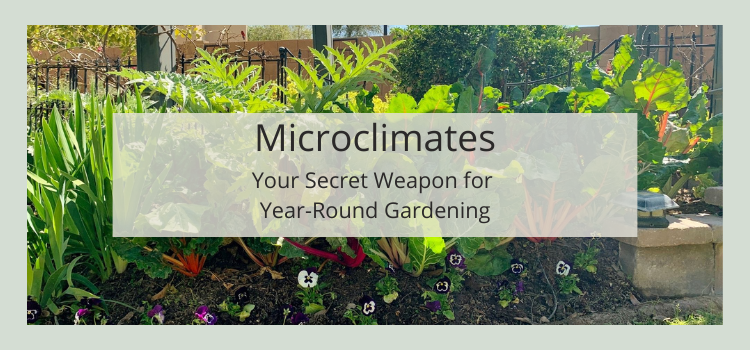
Have you ever noticed that one corner of your yard seems to flourish while another struggles? That’s not random—it’s the power of microclimates at work. In the world of Agriscaping, understanding and leveraging these subtle environmental variations can transform your garden from seasonal to year-round.
What Is a Microclimate?
A microclimate is a small area within your landscape that has its own unique set of conditions—temperature, humidity, sunlight, wind exposure, and even soil composition. These variations are influenced by factors like buildings, fences, trees, elevation, and water features.
For example, a south-facing wall may absorb and radiate heat, creating a warm zone ideal for tomatoes or citrus. Meanwhile, a shaded corner under a tree may stay cooler and moist, perfect for leafy greens or herbs.
How to Identify Microclimates
Start by observing your yard throughout the day and across seasons. Take note of:
- Sunlight patterns: Where does the sun hit in the morning vs. afternoon?
- Shade zones: Which areas stay cool or shaded most of the day?
- Wind exposure: Are there spots that are more sheltered or breezy?
- Moisture retention: Where does water pool or drain quickly?
Mapping these zones helps you make informed decisions about where to plant specific crops.
Designing with Microclimates in Mind
Once you’ve identified your microclimates, you can enhance or create new ones using landscape features:
- Walls and fences: Create warmth and wind protection.
- Pergolas and trellises: Offer shade and vertical growing space.
- Water features: Increase humidity and attract beneficial insects.
- Raised beds: Improve drainage and soil control.
This intentional design allows you to grow a wider variety of crops and extend your growing season. Microclimates are nature’s way of giving you options. By tuning into these subtle differences, you can garden more efficiently, reduce waste, and enjoy fresh produce all year long. To find out what your yard can do for you, schedule a consultation at Agriscaping.com.
Read Our Latest Posts…
- Peak Production Starts with Smart Planning
 Expert tips for desert gardening, from plant zoning and efficient irrigation to soil care and agriscaping for a sustainable landscape.
 - Avoid These Common Soil Prep Mistakes
 Expert tips for desert gardening, from plant zoning and efficient irrigation to soil care and agriscaping for a sustainable landscape.
 - The Agriscaping Approach to Edible Elegance
 Expert tips for desert gardening, from plant zoning and efficient irrigation to soil care and agriscaping for a sustainable landscape.
 - Why Soil Prep Is the Secret to Garden Success
 Expert tips for desert gardening, from plant zoning and efficient irrigation to soil care and agriscaping for a sustainable landscape.
 - Garden Maintenance Tips for a Productive Fall Season
 Expert tips for desert gardening, from plant zoning and efficient irrigation to soil care and agriscaping for a sustainable landscape.