Growing Indoors with Water-Based Systems
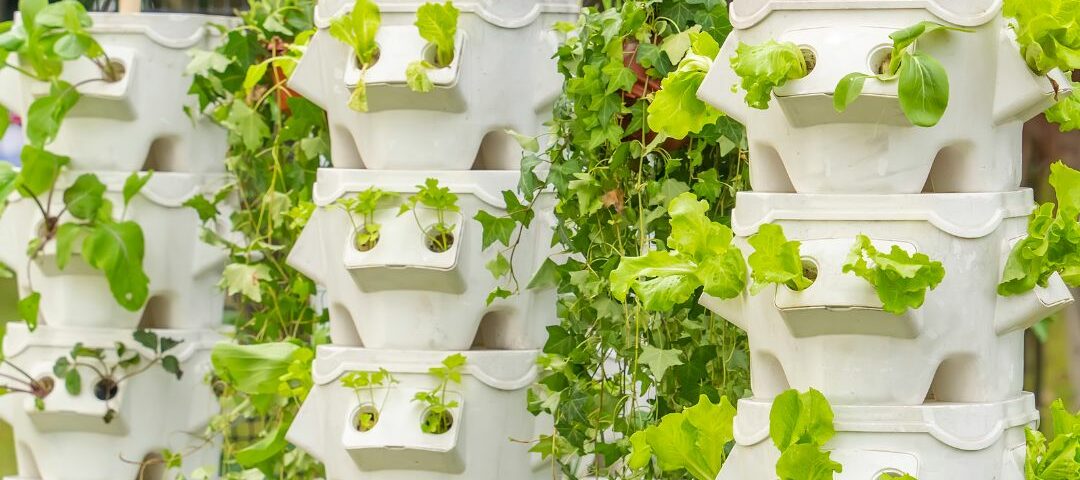
Last week, we discussed soil-based systems for indoor growing. This week, we’re diving into hydroponic and aquaponic systems, two innovative approaches that allow plants to thrive without traditional soil. These methods use water and nutrients to support root development, eliminating the risk of attracting bugs while maintaining a clean and efficient growing environment.
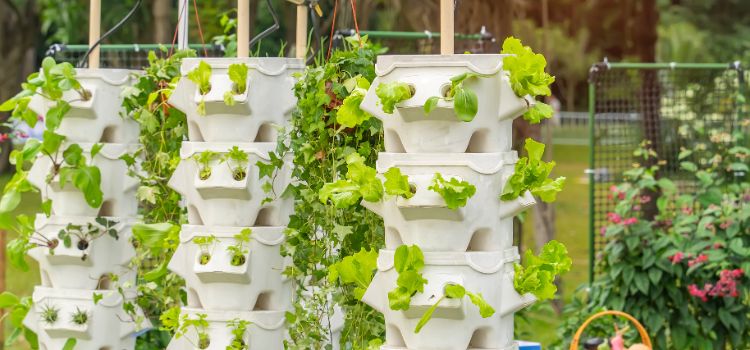
Hydroponic Systems: Growing Without Soil
Hydroponic gardening relies on nutrient-rich water flowing over plant roots, using a non-biomass medium to stabilize plants. Since no organic matter is present, there’s no risk of pests or soil-related diseases—making it a highly controlled and clean system for indoor growing.
Aquaponic Systems: The Power of Fish & Plants
Aquaponic gardening combines plant cultivation with fish farming, creating a mutually beneficial ecosystem. If you already have an aquarium, you’re halfway to building an aquaponics system! Instead of recycling water back into the tank, the pump directs nutrient-rich water to a plant tray, where it nourishes the plants before filtering back down to the aquarium.
Fish naturally produce nutrient-dense waste, which serves as an organic fertilizer for plants—meaning there’s no need to supplement the water with additional nutrients.
Raising Fish for Consumption
Aquaponic systems can also support edible fish, such as tilapia. In a 100-gallon tank, tilapia can be raised for approximately nine months before harvesting. Alternatively, you can use non-edible fish like tetras or goldfish to sustain a decorative, functional aquaponics setup. Whichever fish you choose, it’s best to feed them organic pet store food to maintain a healthy, chemical-free water cycle.
Building an Efficient Aquaponics Setup
A well-designed aquaponics system includes:
- A water reservoir with a fountain pump on a cycle timer, allowing water to ebb and flow naturally.
- 4×4 plant trays positioned on a table, with a 75-gallon tank underneath.
- A timed pump that directs water to the trays, nourishing plant roots before draining back into the tank.
- A natural air exchange process, which occurs when water drains, helping plants grow faster and healthier.
Getting Started with Indoor Water-Based Growing
While these systems require additional technology, they are incredibly rewarding. Many hydroponic stores carry the supplies needed to custom-build your own hydroponics or aquaponics system. With the right setup, you can enjoy fresh produce and a thriving ecosystem right inside your home.
If you’re ready to take the next step toward mastering indoor gardening, consider joining the Agriscaping Mastery Program, where you’ll learn 36 essential skills for growing your own elegant, edible landscape.
Indoor gardening has never been more exciting—whether you choose soil, hydroponics, or aquaponics, there’s a perfect system for every space and lifestyle!
Read Our Latest Posts…
- Peak Production Starts with Smart Planning
 Expert tips for desert gardening, from plant zoning and efficient irrigation to soil care and agriscaping for a sustainable landscape.
- Avoid These Common Soil Prep Mistakes
 Expert tips for desert gardening, from plant zoning and efficient irrigation to soil care and agriscaping for a sustainable landscape.
- The Agriscaping Approach to Edible Elegance
 Expert tips for desert gardening, from plant zoning and efficient irrigation to soil care and agriscaping for a sustainable landscape.
- Why Soil Prep Is the Secret to Garden Success
 Expert tips for desert gardening, from plant zoning and efficient irrigation to soil care and agriscaping for a sustainable landscape.
- Garden Maintenance Tips for a Productive Fall Season
 Expert tips for desert gardening, from plant zoning and efficient irrigation to soil care and agriscaping for a sustainable landscape.