Vertical Gardening: Maximizing Your Space
Vertical Gardening: Maximizing Your Space
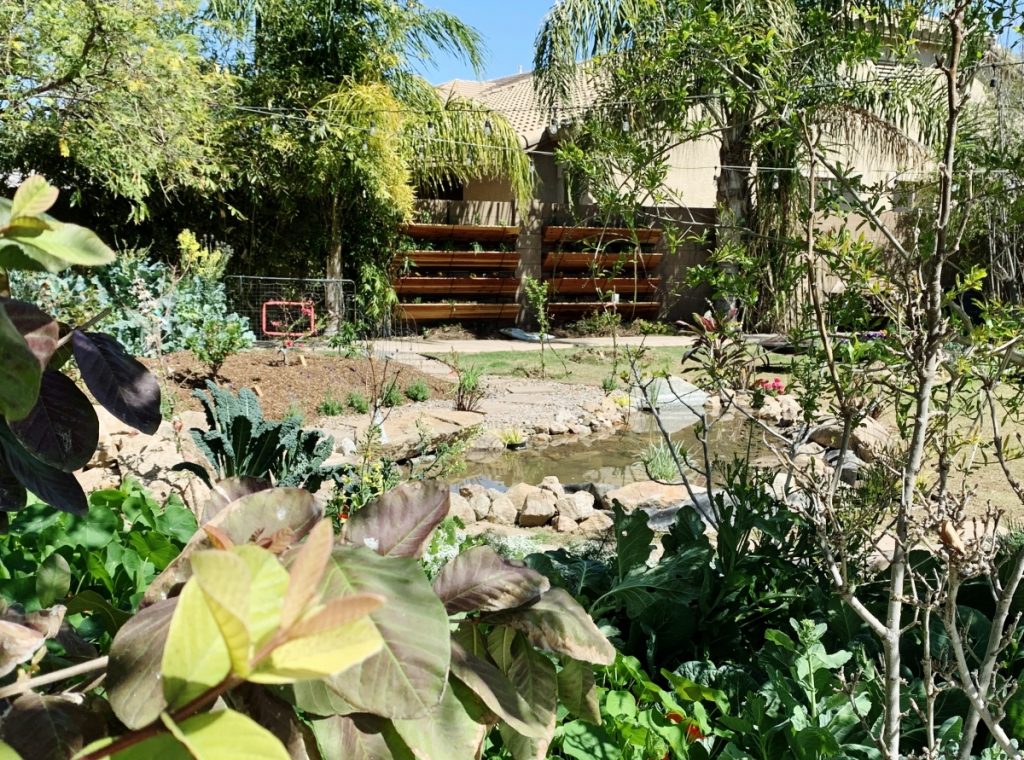
Vertical gardening offers an innovative solution for homeowners in the desert Southwest who want to create space-saving agriscaped gardens. This method helps you grow fruits, vegetables, and herbs efficiently while enhancing the ornamental beauty of your outdoor space. In a region where water conservation and maximizing small areas are crucial, vertical gardening, which might include elevated beds and unique solutions to gardening challenges, combines practicality and aesthetics to deliver an elegant solution.
What Is Vertical Gardening?
Vertical gardening involves growing plants upward rather than outward. This approach uses structures such as trellises, wall-mounted planters, or vertical towers in raised beds to create layers of vegetation. It allows you to cultivate more plants in less space, making it ideal for small backyards, patios, or urban settings. Vertical gardening isn’t just about saving space—it’s also an opportunity to incorporate greenery into underutilized areas, like fences, walls, or corners.
In desert climates, vertical gardens also reduce heat reflection from walls and provide shade to lower plants, creating microclimates that support healthy growth.
Why Vertical Gardening Works in the Desert Southwest
The desert Southwest’s unique environment presents both challenges and opportunities. The intense sun, high temperatures, and limited water supply can make traditional gardening difficult. However, vertical gardening can mitigate these challenges:
- Water Efficiency: Vertical gardens use irrigation systems that deliver water directly to the roots, reducing waste.
- Heat Management: Growing plants upward keeps soil cooler and reduces evaporation.
- Maximized Use of Space: You can grow more plants in less area, which is especially useful in urban or compact lots.
- Shade Creation: Taller plants provide shade for smaller, delicate crops.
Essential Structures for Vertical Gardening
To create a thriving vertical garden, you need the right support structures. Here are some options to consider:
Trellises and Arbors
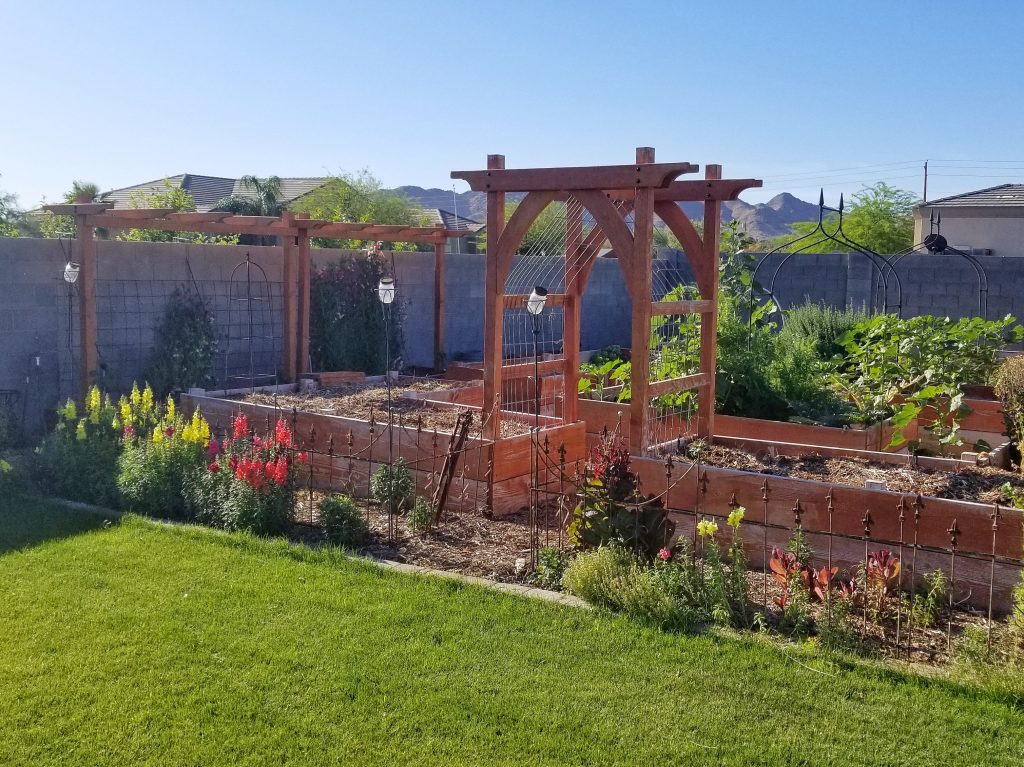
Trellises and arbors provide a sturdy framework for climbing plants like tomatoes, cucumbers, and pole beans. Made of wood, metal, or plastic, these structures are easy to install and customize. Position them near walls or fences to save even more space.
Wall-Mounted Planters
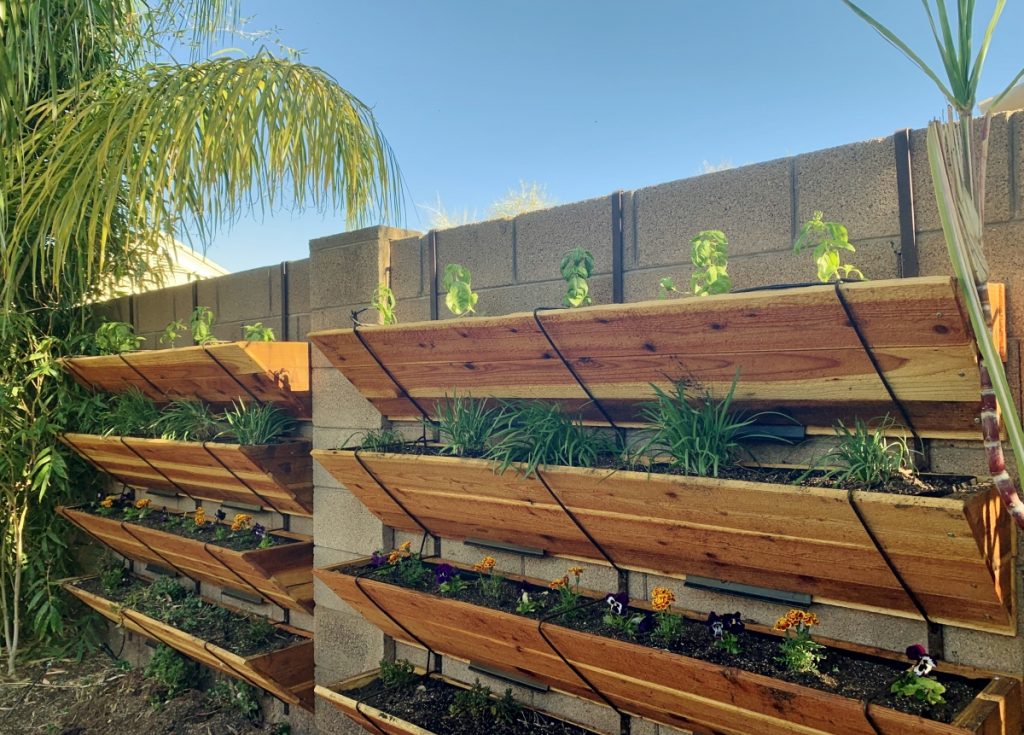
Wall-mounted planters or living walls (right) are perfect for herbs, strawberries, or small flowers. These systems often include built-in irrigation to ensure consistent watering. Place them on a south-facing wall to maximize sunlight exposure, but consider shading techniques during the hottest months.
Vertical Towers
Tower systems are self-contained units that stack planters vertically. These are ideal for growing leafy greens, herbs, and even some root vegetables. Many towers come with integrated irrigation systems, making them low-maintenance and water-efficient.
Hanging Baskets
Hanging baskets can add ornamental appeal while serving as a practical solution for growing trailing plants like cherry tomatoes, strawberries, or nasturtiums. Group baskets at varying heights to create visual interest and optimize sunlight exposure.
Best Plants for Vertical Gardening in the Desert Southwest
Choosing the right plants is essential for success in vertical gardening. Focus on varieties that thrive in hot, dry climates and adapt well to upward growth:
Fruits
- Tomatoes: Choose indeterminate varieties for continuous growth.
- Melons: Smaller types like cantaloupe grow well with support.
- Strawberries: These thrive in vertical towers or hanging baskets.

Vegetables
- Cucumbers: Train these on a trellis for easy harvesting.
- Peppers: Compact and productive, peppers adapt well to containers.
- Pole Beans: These climbers are perfect for trellises.
Herbs
- Basil: Thrives in sunny conditions and is easy to harvest.
- Mint: Grows quickly and adds a refreshing touch to your garden.
- Thyme: A hardy, drought-tolerant herb that’s perfect for wall planters.
Tips for Success
Maximizing the benefits of vertical gardening in the desert Southwest requires thoughtful planning and care. Here are some tips to help you succeed:
1. Plan Your Layout
Start by assessing your available space and sunlight exposure. South-facing walls receive the most sun, making them ideal for sun-loving plants. Use shady areas for plants that prefer cooler conditions.
2. Choose the Right Materials
Invest in durable, weather-resistant materials for your structures. Metal or treated wood trellises, UV-protected plastic planters, and rust-resistant hardware ensure your garden lasts for years.
3. Optimize Irrigation
Desert gardening requires efficient watering systems. Use drip irrigation or self-watering planters to deliver moisture directly to the roots. Mulch your planters to reduce evaporation and retain moisture.
4. Use Quality Soil
Choose a lightweight, nutrient-rich potting mix for your vertical garden. Ensure proper drainage to prevent waterlogging, especially for wall-mounted or tower planters.
5. Prune Regularly
Keep your plants healthy by pruning dead leaves, trimming overgrowth, and managing pests. Regular maintenance ensures proper airflow and sunlight penetration.
6. Protect from the Sun
During the hottest months, provide shade to prevent plants from overheating. Use shade cloth, taller plants, or even decorative umbrellas to shield delicate crops.
7. Rotate Crops
Avoid planting the same crops in the same spot each season. Crop rotation prevents nutrient depletion and reduces the risk of pests and diseases.
Incorporating Vertical Gardening into Agriscaping
Agriscaping merges agriculture and landscaping to create functional, beautiful gardens. Vertical gardening fits seamlessly into this approach, offering both ornamental and edible benefits. Here’s how you can integrate vertical gardening into your agriscaping design:
Create Edible Focal Points
Use vertical gardens to frame entryways or highlight pathways. Combine climbing roses with edible plants like beans or cucumbers for a stunning, functional display.
Maximize Privacy
Install tall trellises or vertical towers along property lines. Train grapevines or other dense climbers to create natural screens that enhance privacy while producing fruit.
Combine Aesthetics and Functionality
Blend flowering plants with edibles to create a vibrant, multi-purpose garden. For example, pair marigolds with tomatoes to deter pests and add color.
Use Vertical Gardens as Shade Structures
Position taller vertical gardens to provide shade for seating areas, pathways, or delicate ground-level plants.
Overcoming Challenges
While vertical gardening offers many benefits, it’s not without challenges. Here’s how to address common issues:
Limited Water Retention
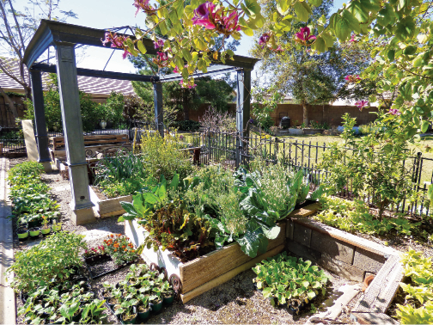
Desert conditions can dry out planters quickly. Combat this by using moisture-retentive soil, adding mulch, and incorporating irrigation systems.
Weight Considerations
Wall-mounted and elevated structures must support the weight of soil, water, and plants. Choose lightweight materials and ensure sturdy installation.
Pest Management
Vertical gardens are less prone to pests than traditional gardens, but you may still encounter issues. Use organic solutions like neem oil or companion planting to deter pests naturally.
Conclusion
Vertical gardening transforms even the smallest spaces into lush, productive gardens. For homeowners in the desert Southwest, this approach offers a practical way to grow fruits, vegetables, and herbs while conserving water and maximizing space. By incorporating vertical gardening into your agriscaping design, you can create an ornamental edible garden that thrives in harsh desert conditions.
Start planning your vertical garden today. With the right materials, plants, and care, you can enjoy a space-saving, sustainable oasis right in your backyard. Embrace the beauty and efficiency of vertical gardening and watch your outdoor space flourish.
Read Our Latest Posts…
- Peak Production Starts with Smart Planning
 Expert tips for desert gardening, from plant zoning and efficient irrigation to soil care and agriscaping for a sustainable landscape.
- Avoid These Common Soil Prep Mistakes
 Expert tips for desert gardening, from plant zoning and efficient irrigation to soil care and agriscaping for a sustainable landscape.
- The Agriscaping Approach to Edible Elegance
 Expert tips for desert gardening, from plant zoning and efficient irrigation to soil care and agriscaping for a sustainable landscape.
- Why Soil Prep Is the Secret to Garden Success
 Expert tips for desert gardening, from plant zoning and efficient irrigation to soil care and agriscaping for a sustainable landscape.
- Garden Maintenance Tips for a Productive Fall Season
 Expert tips for desert gardening, from plant zoning and efficient irrigation to soil care and agriscaping for a sustainable landscape.