
Pruning Tool Essentials for the Desert Southwest
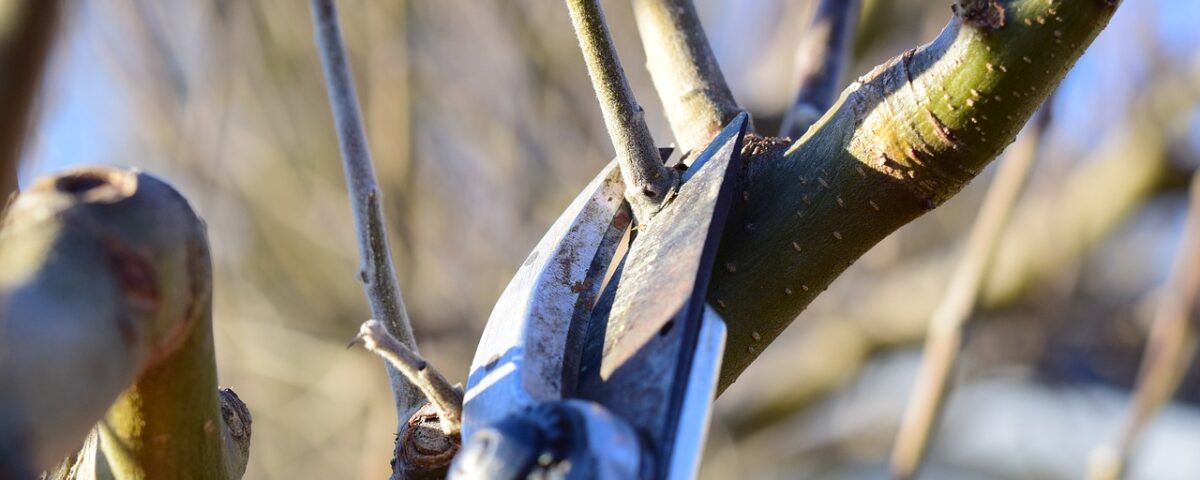
Choosing the right pruning tool is essential for maintaining a healthy and beautiful garden. In the desert Southwest, plants often face tough conditions like intense heat, low humidity, and dense soils. The proper tools make pruning easier, safer, and more effective. This guide covers the must-have pruning tools every Southwest home gardener needs.
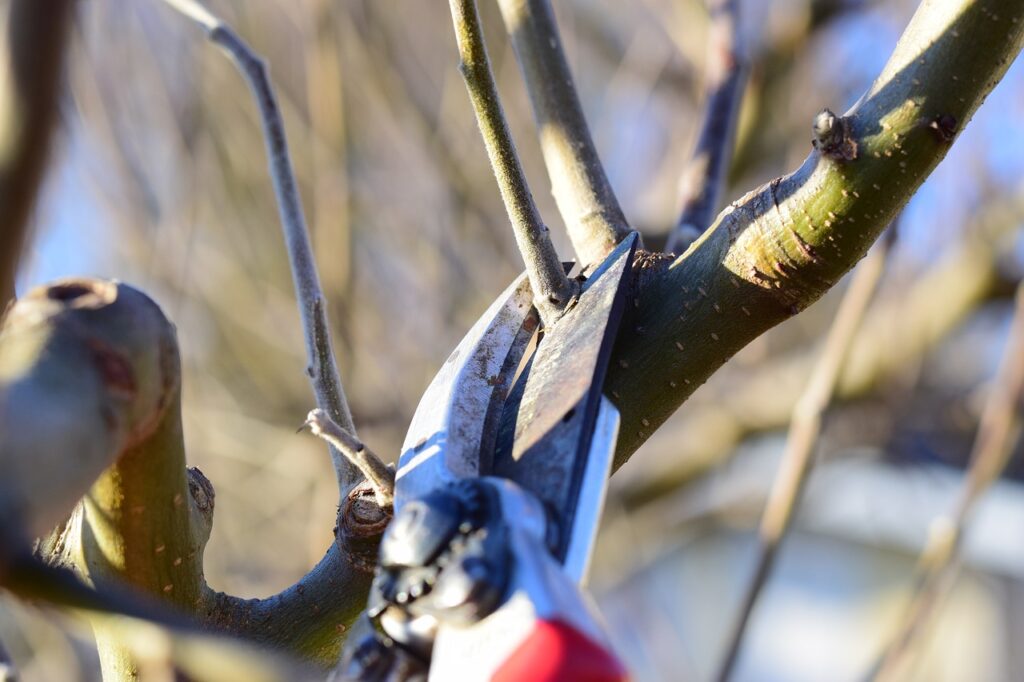
Why Having the Right Pruning Tool Matters
Pruning helps plants thrive. It promotes healthy growth, removes damaged branches, and shapes plants for better aesthetics and productivity. However, using the wrong tool can harm plants or make pruning more difficult. A high-quality pruning tool improves precision and reduces strain on your hands and arms.
What to Look for in a Pruning Tool
Before diving into specific tools, consider these factors:
- Durability: Tools should withstand tough conditions and heavy use.
- Sharpness: Dull blades can crush stems instead of cutting cleanly.
- Comfort: Ergonomic handles reduce fatigue during extended use.
- Ease of Maintenance: Look for tools that are easy to clean and sharpen.
Essential Pruning Tools for the Desert Southwest
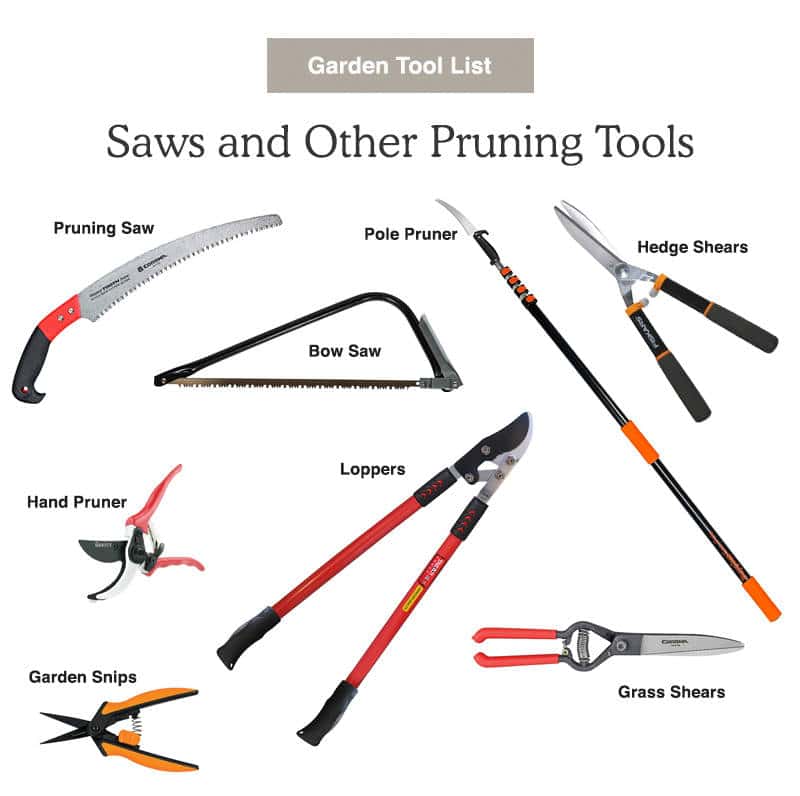
1. Pruning Shears
Pruning shears are a must for any gardener. They are ideal for cutting small branches, stems, and flowers.
Types of Pruning Shears:
- Bypass Shears: Feature two sharp blades that make clean, precise cuts. Perfect for live branches and soft stems.
- Anvil Shears: Have one sharp blade that cuts against a flat surface. Best for dead or dry wood.
Pro Tip: Choose shears with a non-slip grip for better control in hot, sweaty conditions.
2. Loppers
Loppers are the go-to pruning tool for thicker branches. Their long handles provide extra leverage, making it easier to cut through dense wood.
- Use bypass loppers for live branches.
- Opt for anvil loppers when removing dead wood.
Ideal Uses: Shrubs, small trees, and overgrown plants.
3. Pruning Saw
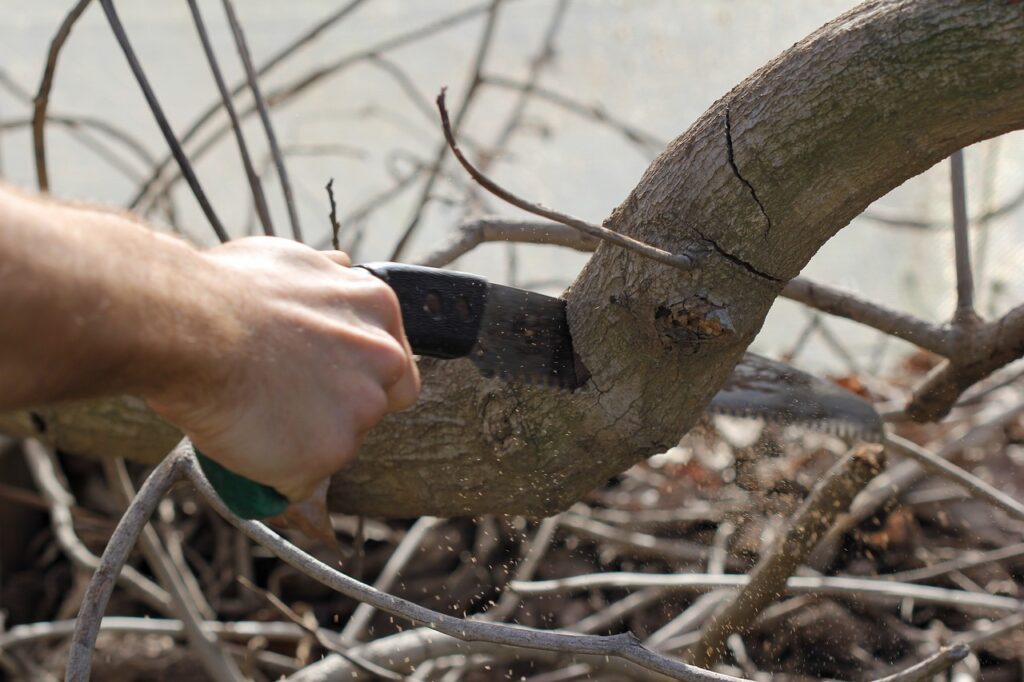
A pruning saw is essential for cutting large branches that shears and loppers can’t handle. In the Southwest, where trees like mesquite and palo verde grow, a sharp pruning saw is invaluable.
Features to Look For:
- Curved blades for precision cuts.
- Foldable designs for easy storage and safety.
Pro Tip: Clean saw blades after each use to prevent rust and sap build-up.
4. Hedge Shears
For shaping and trimming hedges, hedge shears are the perfect pruning tool. They have long, straight blades that make uniform cuts.
Best For: Shaping hedges, pruning ornamental grasses, and trimming ground covers.
Tip: Keep blades sharp to avoid tearing leaves.
5. Pole Pruners
For tall trees, a pole pruner is essential. This tool allows you to reach high branches without a ladder.
Features to Consider:
- Adjustable length for versatility.
- Bypass or saw blade attachments for different types of cuts.
Safety Note: Avoid using pole pruners near power lines.
6. Pruning Knives
Pruning knives are great for detailed work, such as trimming small shoots or grafting. In desert gardens, they can help remove suckers or clean up succulents.
Pro Tip: Keep the blade sharp and clean to avoid damaging delicate plants.

Caring for Your Pruning Tools
Clean After Every Use
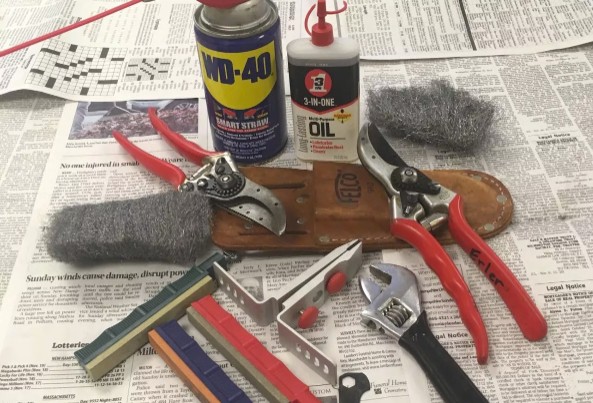
Sap, dirt, and debris can dull blades and cause rust. Wipe tools with a damp cloth and dry them thoroughly after each use. Remove rust with steel wool.
Sharpen Blades Regularly
Sharp blades make clean cuts and reduce strain. Use a sharpening stone or file to maintain the edge.
Oil Moving Parts
Lubricate joints and moving parts with a light machine oil to prevent rust and ensure smooth operation.
Store Tools Properly
Keep tools in a dry place, away from moisture. Use a tool rack or box to organize and protect your equipment.
Pruning Tool Recommendations for Desert Plants
Cactus and Succulents
Pruning cacti requires sharp, precise tools. Opt for bypass shears or knives with a narrow blade. Always wear gloves to avoid injuries.
Mesquite and Palo Verde Trees
These trees have dense wood. Use sturdy loppers or a pruning saw for best results.
Fruit Trees
Pole pruners and bypass shears are essential for maintaining fruit trees. They allow you to reach high branches and make clean cuts for better fruit production.
Common Pruning Tool Mistakes to Avoid
Using Dull Blades
Dull tools crush stems, leading to damage and increased risk of disease. Keep your pruning tool sharp and in top condition.
Ignoring Tool Maintenance
Skipping cleaning and sharpening shortens the lifespan of your tools. Proper care saves money in the long run.
Choosing the Wrong Tool
Using the wrong pruning tool can damage plants. Match the tool to the job for better results.

Benefits of the Right Pruning Tools
Investing in quality pruning tools pays off in many ways:
- Healthier Plants: Clean cuts heal faster and reduce the risk of disease.
- Easier Pruning: Ergonomic tools make the job less tiring.
- Better Results: The right tool ensures precision and efficiency.
Final Thoughts
Pruning tools are an essential part of any gardener’s toolkit. Whether you’re maintaining fruit trees, shaping hedges, or trimming succulents, the right tool makes all the difference. Choose durable, sharp, and comfortable tools that suit your needs. With proper care, they’ll last for years and keep your garden looking its best. Invest in the best pruning tools, and your desert Southwest garden will thank you.