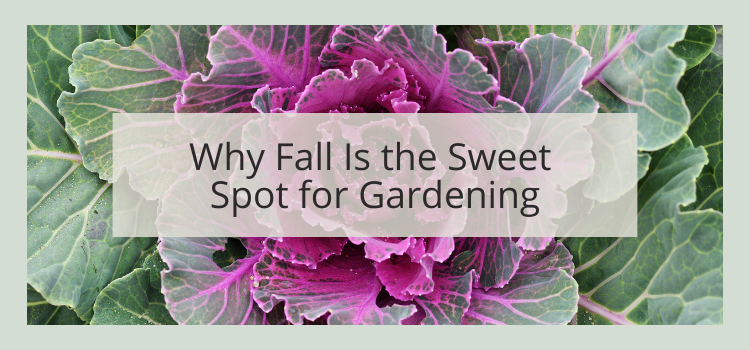
Why Fall Is the Sweet Spot for Gardening
When the heat of summer finally begins to wane, many gardeners breathe a sigh of relief. But what if fall isn’t just a break from the scorching sun—it’s actually the best time to grow? Fall gardening offers a unique opportunity to cultivate healthier, tastier crops with less stress and more success.
The Science Behind Fall Gardening
Fall’s cooler temperatures create ideal conditions for plant growth. Unlike summer, when plants expend energy trying to survive extreme heat, fall allows them to focus on root development and nutrient uptake. This leads to stronger, more resilient plants that are better equipped to handle seasonal transitions.
Additionally, the soil retains moisture more efficiently in cooler weather, reducing the need for constant watering. This not only conserves water but also helps prevent issues like root rot and fungal diseases.
Pest Pressure Drops
One of the most underrated benefits of fall gardening is the decline in pest populations. Many common garden pests—such as aphids, whiteflies, and spider mites—thrive in hot, dry conditions. As temperatures drop, their activity slows, giving your plants a much-needed reprieve.
Fewer pests mean less need for chemical interventions and more time to enjoy your garden. It also means your crops are less likely to suffer from cosmetic damage, making them more appealing for market or table.
Flavor Boost
Cooler weather doesn’t just benefit plant health—it enhances flavor. Leafy greens like kale, spinach, and arugula develop sweeter, more complex flavors when grown in fall. Root vegetables such as carrots and beets also benefit from the chill, converting starches into sugars for a richer taste.
What to Plant in Fall
Fall is perfect for planting cool-season crops that thrive in lower temperatures and shorter daylight hours. Agriscaping recommends:
- Garlic: Plant in late fall for a summer harvest. It’s easy to grow and improves soil health.
- Leafy Greens: Kale, collards, spinach, and lettuce are fast-growing and frost-tolerant.
- Root Vegetables: Carrots, beets, turnips, and radishes thrive in cool soil.
- Herbs: Cilantro, parsley, and chives do well in fall and add fresh flavor to seasonal dishes.
Soil Prep for Success
Before planting, take time to rejuvenate your soil. Add compost, worm castings, and organic matter to restore nutrients depleted during summer. Consider a soil test to identify deficiencies and tailor your amendments accordingly.
Fall gardening isn’t just a seasonal shift—it’s a strategic move. With fewer pests, better flavor, and ideal growing conditions, autumn offers a chance to cultivate abundance with less effort. So grab your gloves, prep your beds, and let fall be your garden’s most fruitful season. Learn more at Agriscaping.com
Read Our Latest Posts…
- Peak Production Starts with Smart Planning
 Expert tips for desert gardening, from plant zoning and efficient irrigation to soil care and agriscaping for a sustainable landscape.
 - Avoid These Common Soil Prep Mistakes
 Expert tips for desert gardening, from plant zoning and efficient irrigation to soil care and agriscaping for a sustainable landscape.
 - The Agriscaping Approach to Edible Elegance
 Expert tips for desert gardening, from plant zoning and efficient irrigation to soil care and agriscaping for a sustainable landscape.
 - Why Soil Prep Is the Secret to Garden Success
 Expert tips for desert gardening, from plant zoning and efficient irrigation to soil care and agriscaping for a sustainable landscape.
 - Garden Maintenance Tips for a Productive Fall Season
 Expert tips for desert gardening, from plant zoning and efficient irrigation to soil care and agriscaping for a sustainable landscape.