
From Seeds to Superfoods: The Garden Power Duo You Didn’t Know You Needed
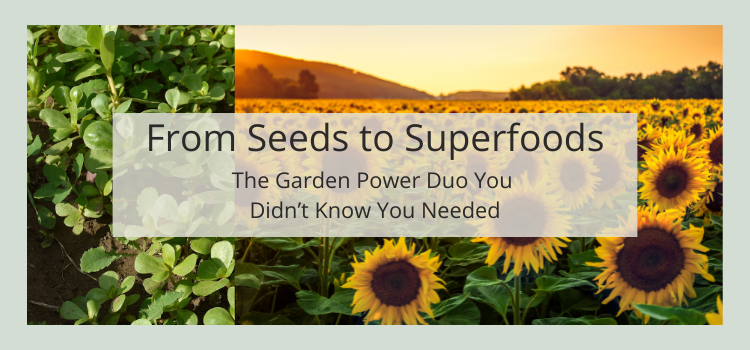
If you’re looking to grow a garden that’s both stunning and highly functional, sunflowers and purslane are two of the best plants to start with. These resilient, nutrient-rich, and pollinator-friendly crops offer beauty, abundance, and health benefits—all while thriving in hot climates and low-maintenance conditions.
Sunflowers: Confidence-Boosting Giants of the Garden
Sunflowers are more than just cheerful blooms—they’re one of the most productive plants you can grow. Whether you’re cultivating them for seeds, oil, or ornamental value, sunflowers deliver big results with minimal effort.
How many sunflowers does it take to fill a bag of seeds?
Surprisingly, just half of one mature sunflower head can produce enough seeds to fill a standard market bag. Mammoth varieties, which grow as large as basketballs, can yield two full bags—making them an incredibly high-yield crop.
Choosing the Right Sunflower Variety
Sunflowers come in all shapes and sizes, from compact dwarf varieties (2 feet tall) to towering giants that reach up to 18 feet. The most productive types tend to be around 8 feet tall, offering a balance between seed production and ease of harvest.
Tips for selecting sunflower varieties:
- Choose shorter stalks with larger seed heads for easier harvesting and higher yield.
- Consider oil-producing varieties for cooking and skincare.
- Select roasting types for flavorful, snackable seeds.
- Use ornamental varieties for vibrant blooms and pollinator attraction.
Bonus tip: Taller sunflowers can be vulnerable to rabbits and other critters. Keeping seed heads elevated helps protect your harvest.
Purslane: The Nutritional Underdog
Often mistaken for a weed, purslane is one of the most nutrient-dense plants you can grow. It thrives in desert heat, making it an ideal ground cover during scorching summer months.
Why grow purslane?
- One of the only plants that naturally contains omega-3 fatty acids
- Rich in vitamins A, C, and E, plus magnesium, potassium, and iron
- Supports heart health, reduces inflammation, and improves digestion
- Grows easily in poor soil and requires minimal water
- Provides excellent coverage to suppress weeds and retain moisture
While purslane seeds can be harder to find, the plant often volunteers itself in gardens and landscapes. Once established, it spreads quickly and can be harvested regularly for salads, stir-fries, and smoothies.
Why These Plants Belong in Your Garden
Together, sunflowers and purslane create a garden that’s:
- Visually stunning with bold blooms and lush ground cover
- Pollinator-friendly, attracting bees and butterflies
- Nutrient-rich, offering edible flowers, seeds, and greens
- Resilient, thriving in heat and low-water conditions
- Low-maintenance, perfect for beginner and experienced gardeners alike
Whether you’re designing a backyard oasis or building a community garden, these powerhouse plants bring beauty, abundance, and wellness to any space.
Need help designing your garden?
Watch the video and explore our professional landscape services:
👉 Agriscaping Landscape Design

Read Our Latest Posts…
- Peak Production Starts with Smart Planning
 Expert tips for desert gardening, from plant zoning and efficient irrigation to soil care and agriscaping for a sustainable landscape.
 - Avoid These Common Soil Prep Mistakes
 Expert tips for desert gardening, from plant zoning and efficient irrigation to soil care and agriscaping for a sustainable landscape.
 - The Agriscaping Approach to Edible Elegance
 Expert tips for desert gardening, from plant zoning and efficient irrigation to soil care and agriscaping for a sustainable landscape.
 - Why Soil Prep Is the Secret to Garden Success
 Expert tips for desert gardening, from plant zoning and efficient irrigation to soil care and agriscaping for a sustainable landscape.
 - Garden Maintenance Tips for a Productive Fall Season
 Expert tips for desert gardening, from plant zoning and efficient irrigation to soil care and agriscaping for a sustainable landscape.