
Garden Maintenance Tips for a Productive Fall Season
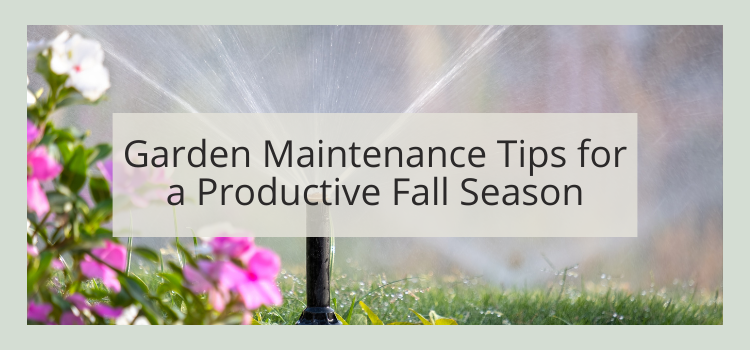
A successful fall garden isn’t just about planting—it’s about preparation. Agriscaping emphasizes that fall is the time to reset, refresh, and ready your garden for both immediate productivity and long-term health.
Clean Up with Purpose
Start by removing spent summer crops, weeds, and debris. This reduces the risk of disease and pests overwintering in your beds. Use plant material to build compost piles that will feed your soil through winter.
Rejuvenate Your Soil
Healthy soil is the foundation of a thriving garden. Add compost, worm castings, and organic fertilizers to replenish nutrients. Consider cover crops like clover or rye to improve soil structure and prevent erosion. A soil test can help you identify specific deficiencies and tailor your amendments for optimal results.
Adjust Irrigation
As temperatures drop, your watering schedule should shift. Reduce frequency but increase depth to encourage deep root growth. Check for leaks or clogs in drip systems and adjust timers to match seasonal needs.
Pest & Disease Management
While pest pressure decreases in fall, vigilance is key. Monitor for signs of fungal infections or lingering insects. Use natural deterrents like neem oil or companion planting to keep your garden balanced.
Mulch & Protect
Apply mulch to insulate soil, retain moisture, and suppress weeds. Use row covers or cold frames to shield young plants from frost and extend your growing season.
Fall maintenance is an investment in your garden’s future. With a little effort now, you’ll enjoy healthier soil, stronger plants, and a smoother transition into winter and spring. Learn more at Agriscaping.com.
Read Our Latest Posts…
- Garden Maintenance Tips for a Productive Fall Season
 Expert tips for desert gardening, from plant zoning and efficient irrigation to soil care and agriscaping for a sustainable landscape.
 - Fall Planting Guide: Crops That Thrive in Cooler Weather
 Expert tips for desert gardening, from plant zoning and efficient irrigation to soil care and agriscaping for a sustainable landscape.
 - Microclimates: Your Secret Weapon for Year-Round Gardening
 Expert tips for desert gardening, from plant zoning and efficient irrigation to soil care and agriscaping for a sustainable landscape.
 - Why Fall Is the Sweet Spot for Gardening
 Expert tips for desert gardening, from plant zoning and efficient irrigation to soil care and agriscaping for a sustainable landscape.
 - From Seeds to Superfoods: The Garden Power Duo You Didn’t Know You Needed
 Expert tips for desert gardening, from plant zoning and efficient irrigation to soil care and agriscaping for a sustainable landscape.