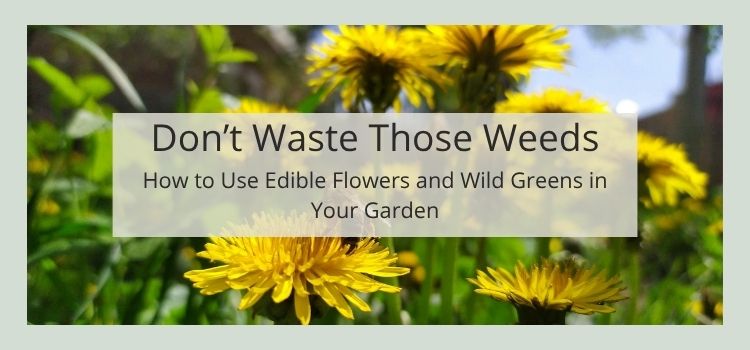
Don’t Waste Those Weeds: How to Use Edible Flowers and Wild Greens in Your Garden
When you walk through your garden, you might be tempted to pull out every stray plant that doesn’t fit your design. But what if some of those “weeds” were actually edible, medicinal, and beneficial to your health?
Edible flowers and wild greens are often overlooked, yet they offer flavor, nutrition, and even allergy support. With a little knowledge and intention, you can turn these underappreciated plants into powerful additions to your elegant edible landscape.
What Parts of the Flower Can You Eat?
Not all flowers are created equal when it comes to edibility. Some offer only petals, while others provide multiple edible parts:
- Pineapple Guava (Feijoa) – Eat the petals only. They’re sweet, floral, and make a beautiful garnish.
- Amaranth – A powerhouse plant! You can eat the flowers, leaves, and stems. The leaves are rich in iron and calcium, and the seeds (grain) are a complete protein.
- Nasturtium – Both the leaves and flowers are edible, with a peppery flavor that adds zing to salads.
- Calendula – Petals are edible and slightly bitter, often used in teas or as a natural dye.
- Chive Blossoms – These purple pom-poms add a mild onion flavor and are great in savory dishes.
Always research each plant before consuming it, and avoid flowers treated with pesticides or herbicides.
Weeds or Wild Greens? It’s All About Perspective
Many plants labeled as “weeds” are actually nutrient-dense wild greens. The key is understanding their utility and planting them intentionally.
- Dandelion – Every part is edible:
- Leaves are best harvested young and tender, especially in cooler months.
- Flowers can be used in fritters or teas.
- Roots are often dried and used as a coffee substitute or liver tonic.
- Purslane – A succulent weed rich in omega-3 fatty acids. Its lemony crunch makes it perfect for salads and stir-fries.
- Lamb’s Quarters – Sometimes called “wild spinach,” it’s high in calcium, iron, and vitamin A. Use it like you would kale or chard.
- Chickweed – Mild and tender, great in salads or as a base for pesto.
These plants often grow without much effort and can thrive in marginal soil. Instead of pulling them out, consider harvesting them for your kitchen.
Edible Flowers and Allergy Support
There’s a growing belief—similar to the benefits of local honey—that eating local flowers may help your body adapt to regional allergens.
- Allergies are often triggered by your immune system overreacting to unfamiliar pollen.
- By consuming small amounts of local pollen through edible flowers, you may help your body build tolerance and reduce symptoms over time.
This isn’t a cure-all, but it’s a gentle, food-based way to support your immune system while enjoying the beauty and flavor of your garden.
Safety Tips for Eating Flowers and Wild Greens
To enjoy edible flowers safely, follow these guidelines:
- Know your plant – Use trusted guides or consult with experts before consuming any wild plant.
- Avoid chemical exposure – Never eat flowers sprayed with pesticides, herbicides, or synthetic fertilizers.
- Harvest mindfully – Pick in the morning when oils and flavors are strongest.
- Start small – Introduce new flowers gradually to see how your body reacts.
Get the Edible Flower Guide
Want to know which flowers are edible, what they taste like, and how to grow them? Our Edible Flower Guide includes:
- Planting times and locations
- Edible parts and flavor profiles
- Companion planting tips
- Seasonal harvesting advice
It’s free with our newsletter and available inside our free membership portal.
Gardening isn’t just about aesthetics—it’s about nourishment, resilience, and connection. When you learn to see weeds as wild greens and flowers as food, your garden becomes a living pantry and a healing space.
Read Our Latest Posts…
- Avoid These Common Soil Prep Mistakes
 Expert tips for desert gardening, from plant zoning and efficient irrigation to soil care and agriscaping for a sustainable landscape.
 - The Agriscaping Approach to Edible Elegance
 Expert tips for desert gardening, from plant zoning and efficient irrigation to soil care and agriscaping for a sustainable landscape.
 - Why Soil Prep Is the Secret to Garden Success
 Expert tips for desert gardening, from plant zoning and efficient irrigation to soil care and agriscaping for a sustainable landscape.
 - Garden Maintenance Tips for a Productive Fall Season
 Expert tips for desert gardening, from plant zoning and efficient irrigation to soil care and agriscaping for a sustainable landscape.
 - Fall Planting Guide: Crops That Thrive in Cooler Weather
 Expert tips for desert gardening, from plant zoning and efficient irrigation to soil care and agriscaping for a sustainable landscape.