Secrets to Growing Healthy, Full-Sized Carrots
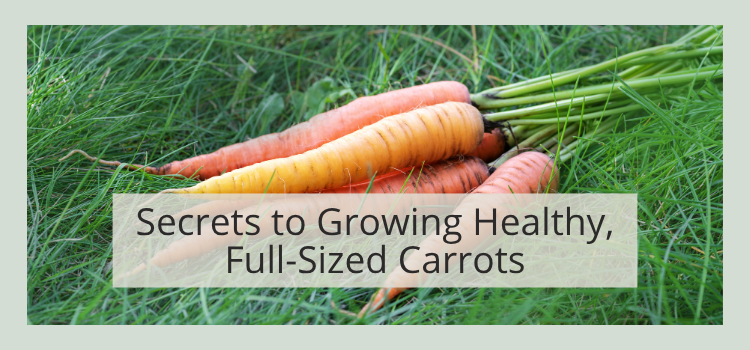
Carrots may seem simple to grow, but they’re surprisingly picky when it comes to soil, water, and timing. If you’ve ever pulled up a stubby, finger-length carrot from a deep raised bed, you’re not alone—and there are a few key reasons why your carrots might be falling short.
Common Carrot Challenges
A gardener once came to us with a 3-foot-deep raised bed, hoping to grow giant carrots. But despite the depth, their carrots never grew longer than a finger. Why?
It comes down to two main issues:
- Watering technique and soil structure.
- Watering: Slow and Steady Wins
Carrots need consistent moisture—but not too much, too fast. In deep beds, water can rush through the soil without giving roots time to absorb it.
- If your soil drains too quickly, carrots stay short and undernourished.
- If watering is infrequent, the soil dries out and cracks, repelling water instead of absorbing it.
Solution:
Water slowly and deeply. Let the soil swell and soak like a sponge before allowing it to drain. This helps carrots access the moisture they need to grow long and strong.
Soil Structure: Not Too Loose, Not Too Hard
Carrots love to dig—but they don’t like to chisel.
- If the soil is too loose (like sand), water and nutrients pass through too quickly.
- If the soil is too hard or compacted, carrots hit resistance and fork into stubby shapes or grow “arms and legs” to navigate around rocks or hardpan.
Solution:
Aim for soil that’s about 18 inches deep, with a slightly dense texture that holds moisture but still drains well. Think of it like a firm sponge—supportive, but not suffocating.
Why Carrots Fork or Stay Stubby
- Forked carrots often hit a rock, root, or compacted layer and split to grow around it.
- Stubby carrots may be under-watered, under-nourished, or planted in soil that’s too loose or shallow.
The Ideal Carrot Bed
- 18″ deep soil
- Slightly dense, well-draining texture
- Slow, consistent watering
- Free of rocks and hardpan
- Rich in nutrients and organic matter
Want to master the art of soil cultivation and grow carrots that reach their full potential? Join the Agriscaping Mastery Program and learn 35+ essential skills for creating elegant, edible landscapes.
Read Our Latest Posts…
- Peak Production Starts with Smart Planning
 Expert tips for desert gardening, from plant zoning and efficient irrigation to soil care and agriscaping for a sustainable landscape.
 - Avoid These Common Soil Prep Mistakes
 Expert tips for desert gardening, from plant zoning and efficient irrigation to soil care and agriscaping for a sustainable landscape.
 - The Agriscaping Approach to Edible Elegance
 Expert tips for desert gardening, from plant zoning and efficient irrigation to soil care and agriscaping for a sustainable landscape.
 - Why Soil Prep Is the Secret to Garden Success
 Expert tips for desert gardening, from plant zoning and efficient irrigation to soil care and agriscaping for a sustainable landscape.
 - Garden Maintenance Tips for a Productive Fall Season
 Expert tips for desert gardening, from plant zoning and efficient irrigation to soil care and agriscaping for a sustainable landscape.