Choosing the Right Plant Starts for a Thriving Garden
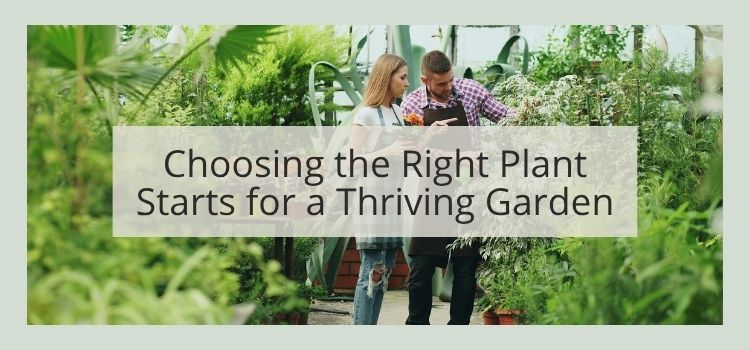
Starting your garden with young plants—rather than seeds—can jumpstart your growing season. But not all plant starts are created equal. Some nurseries use high-nitrogen fertilizers to force early flowering and fruiting, which may look impressive on the shelf but often results in weak, stressed plants once they’re in the ground.
To set your garden up for long-term success, choose starts that are healthy, balanced, and ready to thrive. Here’s how to spot them—with real-life examples to guide your eye.
What to Look For in Healthy Plant Starts
- Skip the Root-Bound Starts If you pick up a tomato start and see roots spilling from the drainage holes or circling the bottom like spaghetti, it’s likely root-bound. These plants often stall out after transplanting, struggling to expand their root systems. Instead, choose starts with roots that are barely visible and soil that holds together without being compacted.
- Choose Leaves Over Flowers A pepper plant in full bloom at the nursery might seem like a shortcut to harvest—but it’s often a sign of forced growth. These plants may drop their flowers after transplanting and take weeks to recover. Look for starts with two to four vibrant leaves and no buds. They’ll focus on root development first, which leads to stronger plants and better yields later.
- Mind the Plant-to-Pot Ratio Ever seen a zucchini start towering over a tiny plastic pot? That’s a red flag. If the top growth is oversized compared to the container, the roots are likely cramped and stressed. A balanced basil start, for example, should be compact, with a healthy root ball that matches its leafy top.
- Watch for Stress Signals Yellowing leaves on a lettuce start or limp stems on a cucumber are signs the plant is already struggling. If you gently lift the plant and see roots spiraling inside the pot like a bird’s nest, it’s been sitting too long. These starts may survive, but they’ll lag behind healthier ones and require extra care.
Why It Matters
Choosing the right plant starts means stronger roots, faster establishment, and better yields. It’s the difference between a tomato plant that fruits early and fizzles out, and one that grows steadily into a lush, productive powerhouse.
Want to master the art of growing vibrant plant starts indoors and out? Join the Agriscaping Mastery Program and learn expert techniques for cultivating abundance.
Read Our Latest Posts…
- Peak Production Starts with Smart Planning
 Expert tips for desert gardening, from plant zoning and efficient irrigation to soil care and agriscaping for a sustainable landscape.
 - Avoid These Common Soil Prep Mistakes
 Expert tips for desert gardening, from plant zoning and efficient irrigation to soil care and agriscaping for a sustainable landscape.
 - The Agriscaping Approach to Edible Elegance
 Expert tips for desert gardening, from plant zoning and efficient irrigation to soil care and agriscaping for a sustainable landscape.
 - Why Soil Prep Is the Secret to Garden Success
 Expert tips for desert gardening, from plant zoning and efficient irrigation to soil care and agriscaping for a sustainable landscape.
 - Garden Maintenance Tips for a Productive Fall Season
 Expert tips for desert gardening, from plant zoning and efficient irrigation to soil care and agriscaping for a sustainable landscape.