Hügelkultur Gardening Tips for Success
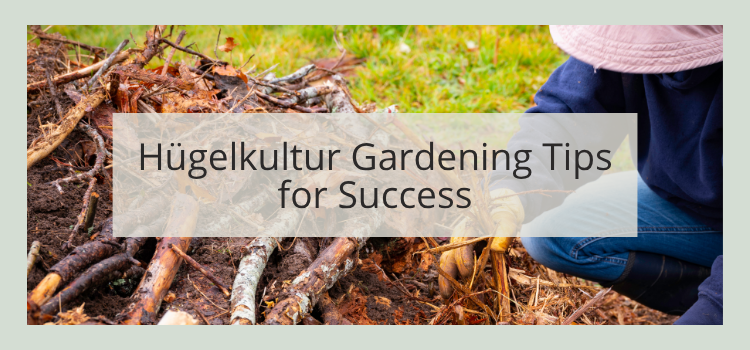
Hügelkultur is more than just a raised bed—it’s a regenerative gardening method that transforms woody debris into fertile, moisture-retaining soil. Especially powerful in dry climates, this technique mimics natural forest floor processes to create thriving ecosystems with minimal irrigation. Whether you’re growing mushrooms in the desert or designing a water-wise edible landscape, Hügelkultur offers a resilient foundation for abundance.
Keys to Hügelkultur Success
- Step Smart If your mound is tall or wide, carve out intentional step zones. These prevent soil compaction and make harvesting easier.
- Topsoil is Vital Don’t skimp on soil depth. A rich layer of topsoil supports strong root systems and healthy plant growth.
- Microclimate Mastery Use the mound’s shape and orientation to create diverse growing zones. Shade-loving crops thrive on the north side, while sun-seekers bask in the south.
- Soil That Breathes Aim for soil that’s fluffy, deep brown, and consistently moist. This signals a thriving microbial ecosystem.
- Invite Nature’s Helpers Hügelkultur beds attract beneficial insects and wildlife—solitary bees, ants, lizards, and more—creating a self-sustaining garden ecosystem.
- Plant Nitrogen Fixers As buried wood breaks down, it pulls nitrogen from the soil. Replenish it with clover, peas, or other nitrogen-fixing plants.
- Cut, Don’t Pull When retiring plants, snip them at the base instead of uprooting. Their roots decompose in place, feeding the soil. Top with mulch for extra nourishment.
- Wait on Root Veggies In year one, air pockets in the mound can distort root crops. By year two or three, the soil settles—perfect for carrots, beets, and radishes.
Why Hügelkultur Works Long-Term
As the wood core decomposes, it releases nutrients slowly and steadily. The layered structure acts like a sponge, holding moisture even in dry conditions. Over time, your Hügelkultur bed becomes a living reservoir of fertility—ideal for desert gardens and water-wise landscapes.
Ready to master Hügelkultur and design edible landscapes that nourish both people and planet?
Explore the Agriscaping Mastery Program and start building your legacy of abundance.
Read Our Latest Posts…
- Avoid These Common Soil Prep Mistakes
 Expert tips for desert gardening, from plant zoning and efficient irrigation to soil care and agriscaping for a sustainable landscape.
 - The Agriscaping Approach to Edible Elegance
 Expert tips for desert gardening, from plant zoning and efficient irrigation to soil care and agriscaping for a sustainable landscape.
 - Why Soil Prep Is the Secret to Garden Success
 Expert tips for desert gardening, from plant zoning and efficient irrigation to soil care and agriscaping for a sustainable landscape.
 - Garden Maintenance Tips for a Productive Fall Season
 Expert tips for desert gardening, from plant zoning and efficient irrigation to soil care and agriscaping for a sustainable landscape.
 - Fall Planting Guide: Crops That Thrive in Cooler Weather
 Expert tips for desert gardening, from plant zoning and efficient irrigation to soil care and agriscaping for a sustainable landscape.